The EVT (Engineering Verification Test) phase marks the first time a product transitions from concept to a functional, testable prototype that reflects both its design intent and performance goals. In other words, this is the first time the full product has been designed by trained product development engineers.
At Hatch Product Development, we treat the EVT phase not as a single milestone, but as a carefully planned progression from early engineering exploration to verified functionality and design integrity. This approach ensures that by the time a product reaches EVT, it’s both functional and ready for the next stage of validation as well as eventual certification.
However, to reach this EVT stage for ground breaking or innovative products, sometimes the Hatch engineering team will start with a critical phase, known as pre-EVT or Alpha prototype, sets the stage for success.
Pre-EVT (Alpha Prototype): Building the Foundation
In the pre-EVT phase, the engineering teams focus on developing a functional, non-cosmetic prototype. This stage allows teams to validate early assumptions, evaluate system architecture, and identify design gaps that could affect later performance. This is critical when the product is using unique technology or highly novel approaches because early prototypes help uncover technical risks before they become costly design or manufacturing issues.
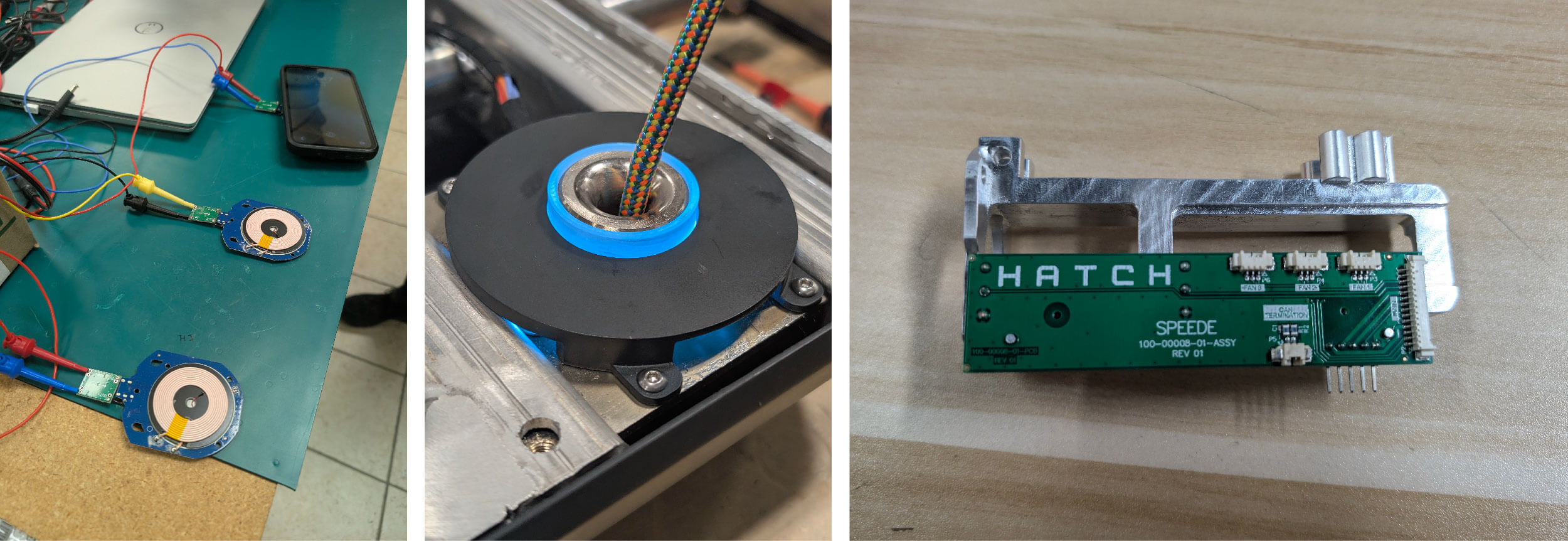
This prototype is strictly built for engineering validation, not for customer demonstrations. It may lack cosmetic finish or full feature functionality, but it delivers critical engineering and product data about what works, what doesn’t, and what must change before EVT.
Pre-EVT Output: One functional Alpha prototype, complete with gap analysis and recommendations for design updates before EVT.
EVT (Beta Prototype): Validating Design and Functionality
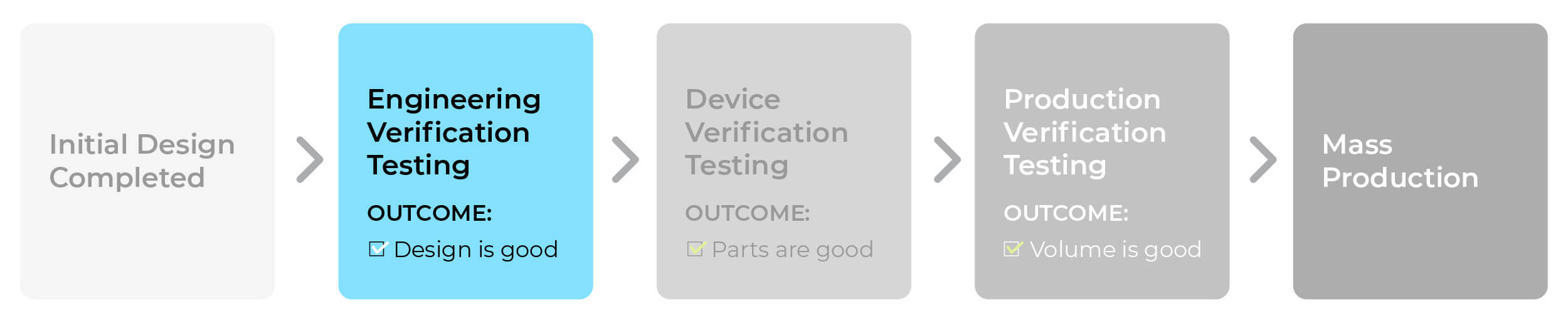
Once the Alpha prototype phase identifies and resolves key gaps, the project advances into the EVT phase, often referred to as the Beta prototype. This is where the engineering and product teams align to verify that the product performs as designed while meeting the desired cosmetic and user-facing requirements.
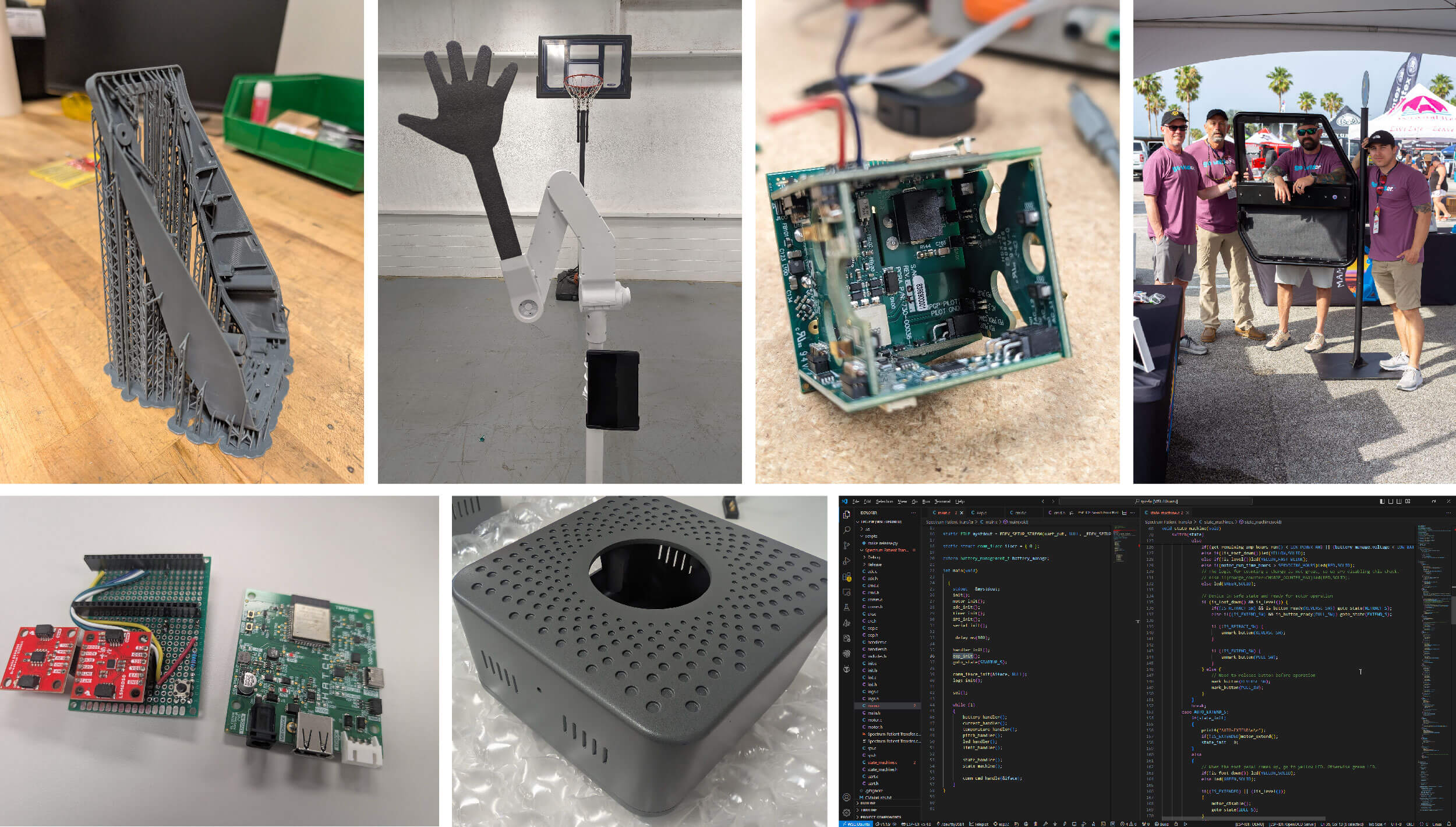
In this phase, teams typically:
- Conduct product safety consultations and align designs with relevant standards (such as IEC, UL, or ISO benchmarks)
- Perform mechanical, electrical, and firmware detailed design work based on findings from the Alpha prototype and safety reviews
- Add or refine cosmetic and user-facing features through collaboration between engineering and industrial design
- Enable connectivity and communication functions, such as wireless or sensor integrations
- Iterate over a few design concepts through rapid prototyping Assemble and test the Beta unit, performing detailed functional test to determine where there are design issues
- Prepare for pre-compliance testing, such as FCC or EMC verification
The EVT prototype is often used for performance testing, preliminary regulatory assessments, and sometimes internal demos. It’s a tangible representation of the product’s true potential and is robust enough for testing but still flexible for refinement.
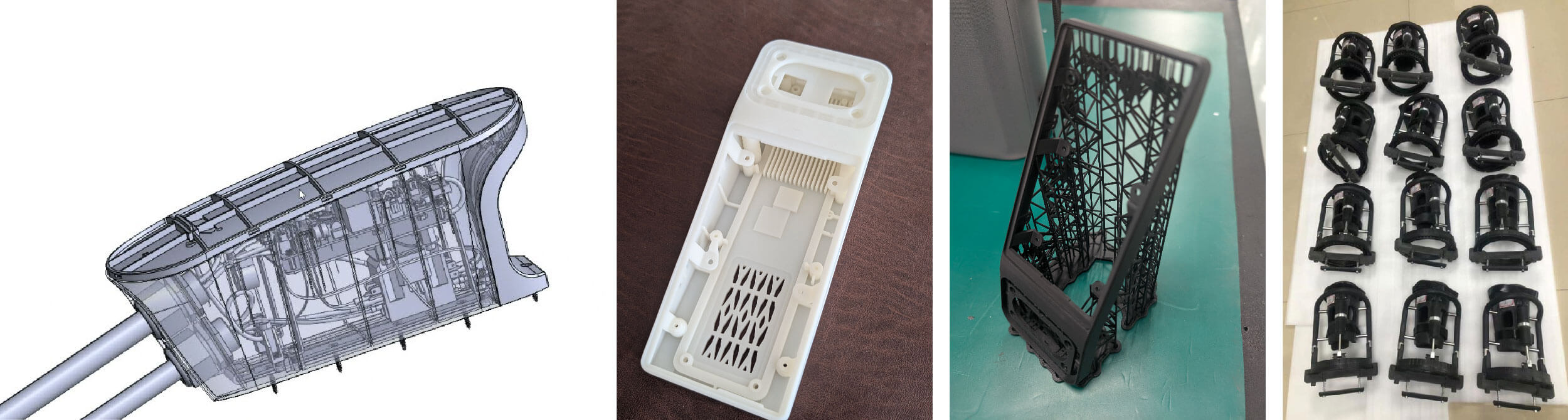
EVT Output: The Beta prototype verifies design performance, and solutions to issues are resolved then a detailed gap analysis will lead to updated vendor and manufacturing documents to guide the next phase (Design Validation Testing).
Why EVT (Engineering Verification Test) Matters
The EVT phase is more than a proof of concept; it’s a confidence checkpoint. It ensures that the product’s design can be built, tested, and iterated effectively before investing in tooling or mass production.
A well-executed EVT (Engineering Verification Test) phase reduces downstream risk, shortens timelines, and gives engineering teams the data they need to refine performance, safety, and manufacturability.
At Hatch Product Development, we manage EVT with precision, integrating mechanical, electrical, and firmware disciplines under one roof. Our hands-on testing and in-house assembly capabilities ensure that every prototype from Alpha to Beta advances with purpose toward production readiness.
If your team is preparing for the EVT phase and needs an experienced partner to bring engineering rigor and manufacturability insight to your prototype, talk to Hatch about how we can help.