Every year, CES delivers genuine breakthroughs, half-formed experiments, concept products that may never ship, and polished versions of technologies we have been watching mature for years. All of that exists simultaneously on the floor, often within the same hall. Any attempt to declare CES a success or failure, revolutionary or incremental, usually misses the point.
The value of CES 2026 was not in any one big product announcement or breakthrough BUT CES also didn’t disappoint. CES 2026 was a series of trends that in themselves show some interesting roads ahead for products. Whether it be consumer devices, industrial equipment, or connected systems, what follows is our deep dive on the most persistent trends we saw at CES 2026, and what they suggest for the next several years of product development and manufacturing.
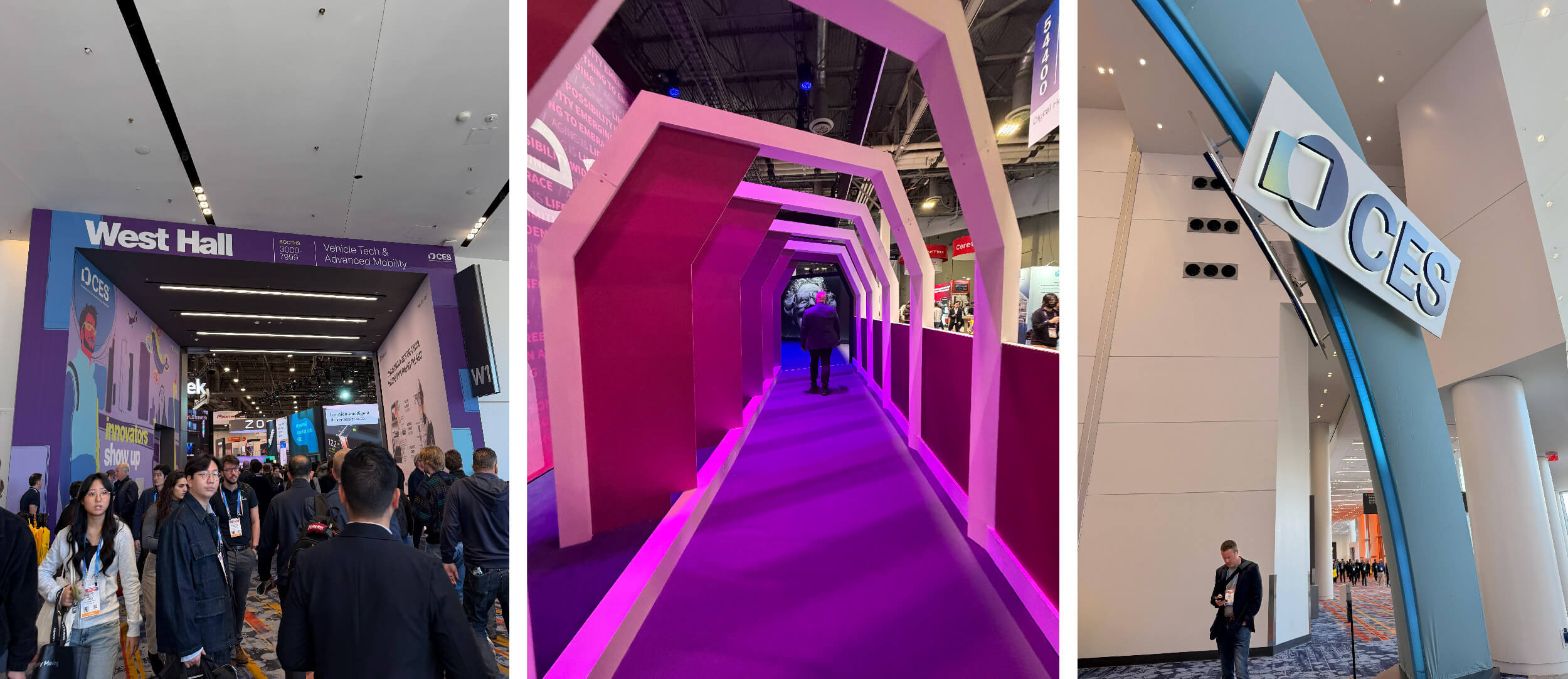
Top CES 2026 Trends:
One of the most consistent patterns across the CES 2026 show floor was expansion of intelligent products and systems. Gone are the days of the IoT joke about “why do I need a smart toaster?”, and we’ve entered the consumer space where everything is “smart”. But how did we get here? And how truly “smart” are these products?
1. Everything Must Be Smarter Now: The LEGO Block Metaphor
One of the more interesting signals at CES 2026 came from a company that has been building systems out of small pieces for decades. LEGO Group announced smart LEGO bricks this year, and the direction is worth paying attention to. LEGO has always been about small, simple building blocks that scale into complex worlds. The brilliance was never in any single brick; it’s in how the bricks work together. LEGO SMART PlayTM follows the same logic.
Advances in component miniaturization, including sensors, cameras, connectivity, and low-power compute, have made it possible to embed intelligence directly into individual blocks. What used to require bulky electronics can now live inside something small, modular, and repeatable.
“LEGO’s product is all about building ecosystems made of a bunch of smart blocks, not just an individual smart product.”
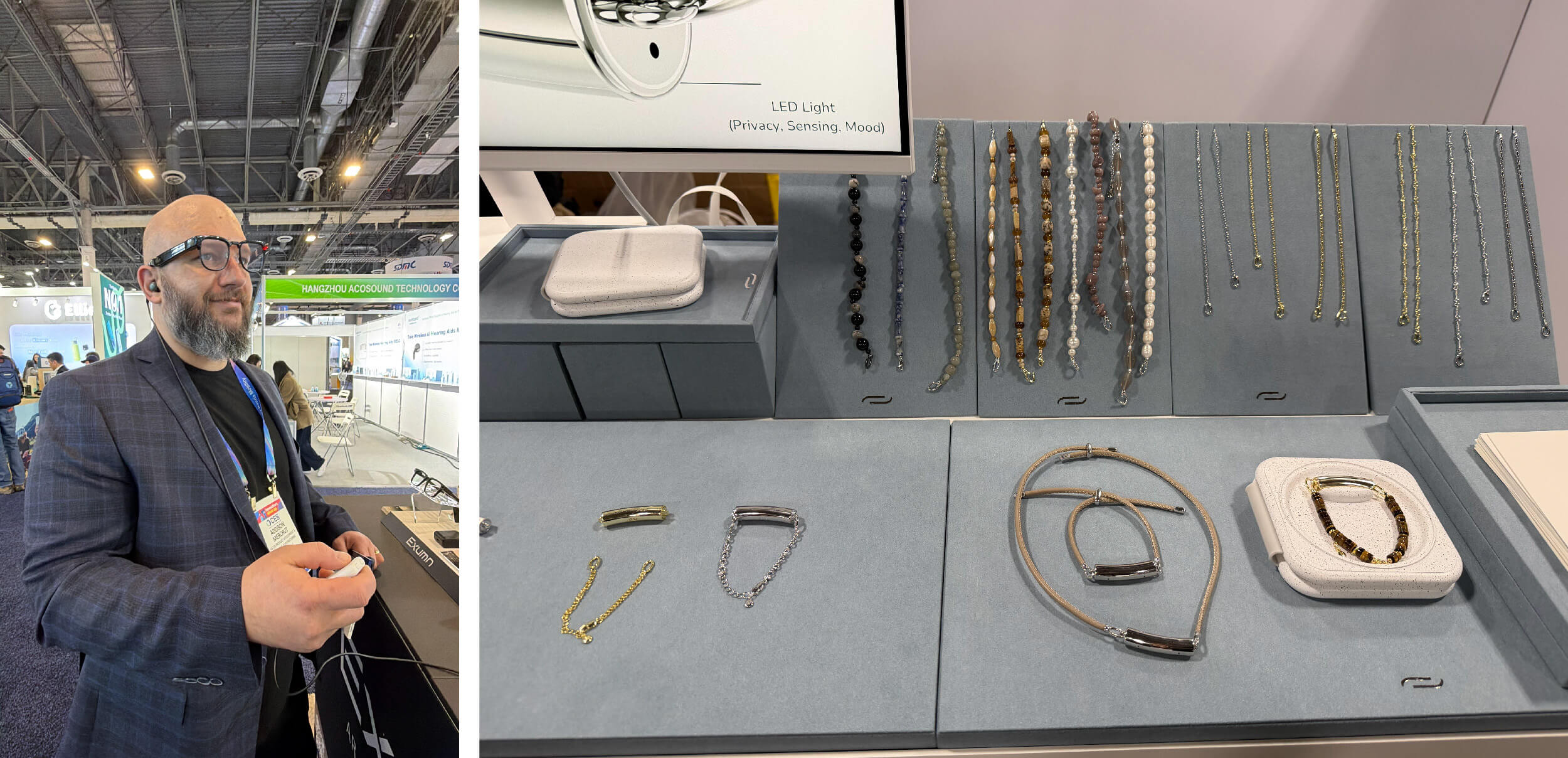
Addison Merchut, Hatch Product Development Co-President & Co-Founder
This mirrors what we have seen across product categories more broadly. Over time, components shrink. Sensors get cheaper. IoT chips get smaller and more capable. Intelligence moves closer to the edge. Individually, these components do not make a product smart. They make it capable. LEGO’s move highlights an important distinction. A product is not truly smart just because it contains sensors, cameras, or connectivity. Smartness emerges when those components operate as part of a coordinated ecosystem.
Smart LEGO bricks are interesting because they are designed to work together, enabling larger behaviors, interactions, and outcomes that no single block could achieve on its own. That idea is the real takeaway. Whether LEGO’s specific execution takes off is almost beside the point. Their direction is a useful metaphor for where many smart products need to go. Intelligence at the component level only becomes meaningful when products are designed as modular systems that assemble into a truly smart, cohesive ecosystem.
2. If It Moves, Cleans, Feeds, or Plays, It Probably Has a Camera
Over the past decade, products have been evolving from standalone devices to connected platforms, and then to software-driven systems capable of learning and adapting over time. At CES 2026, the next layer of that evolution was clear. Vision has become a default input.
Cameras have been implanted in everything from home robotics, to home automation, to pet care, to fitness gyms, to outdoor equipment, and even your appliances. From AI-enabled basketball training systems and robotic pool cleaners to lawn mowers, smart litter boxes, bird feeders, and social robots, vision is increasingly how products perceive, adapt, and act in the real world.
In many cases, this shift makes sense. Cameras enable autonomy, situational awareness, safety features, and richer interaction in ways that other sensors cannot. As component costs fall and on-device processing improves, adding vision is no longer experimental. It is often the most efficient way to unlock potential meaningful functionality.
Below: Lumistar Basketball AI | Yonbo X1 Robot
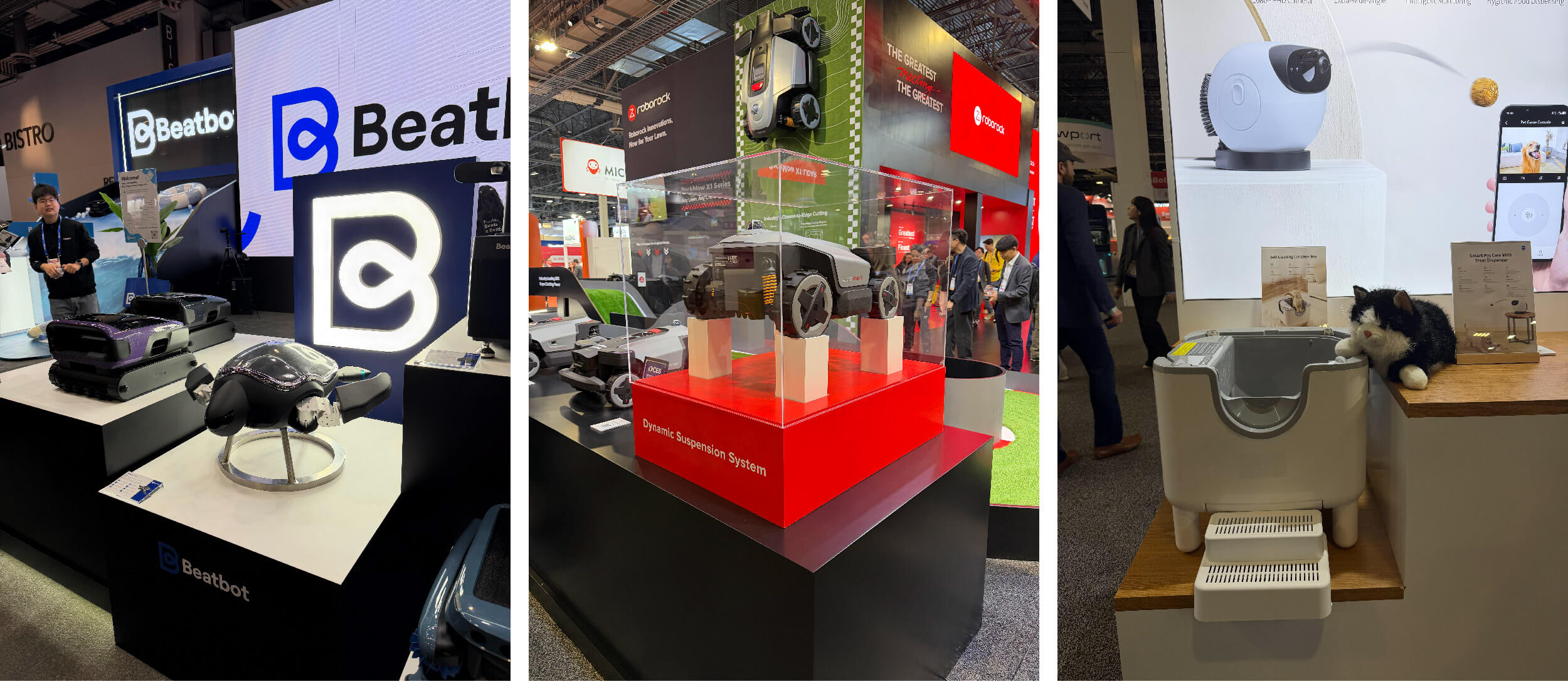
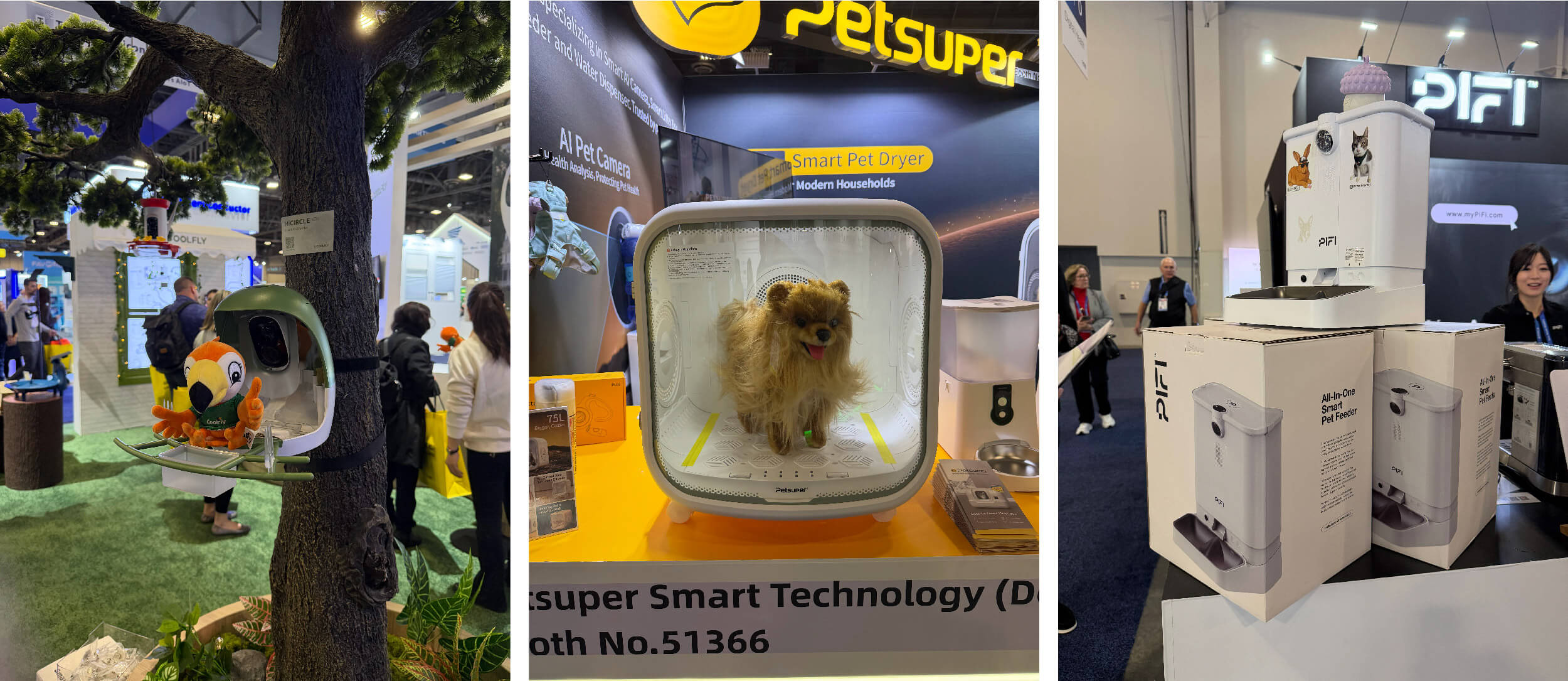
At the same time, cameras are not passive components. Incorporating vision brings additional considerations, including how image data is stored or processed, how firmware is maintained over the product’s lifetime, and how privacy expectations are addressed as devices become more capable. As intelligence increases, product teams are expected to think beyond individual features and take a more holistic approach to hardware, firmware, software, and user trust.
CES 2026 reflected an industry that is actively navigating that balance, using vision not as a novelty, but as a foundational building block in smarter, more adaptive systems.
3. Robotics Is Ready. Design Is Still Catching Up.
Robotics appeared everywhere at CES 2026, and for good reason. Motors are cheaper. Sensors are more precise. Control systems are mature enough to support real tasks, not just demos. Across industries, robotics is crossing a threshold where the economics finally make sense.
What stood out was not whether robotics is viable technology, but how differently companies are choosing to apply it. The show revealed a clear split between task-specific robots designed to solve defined problems and more general-purpose, humanoid systems intended to, hopefully, do a little of everything.
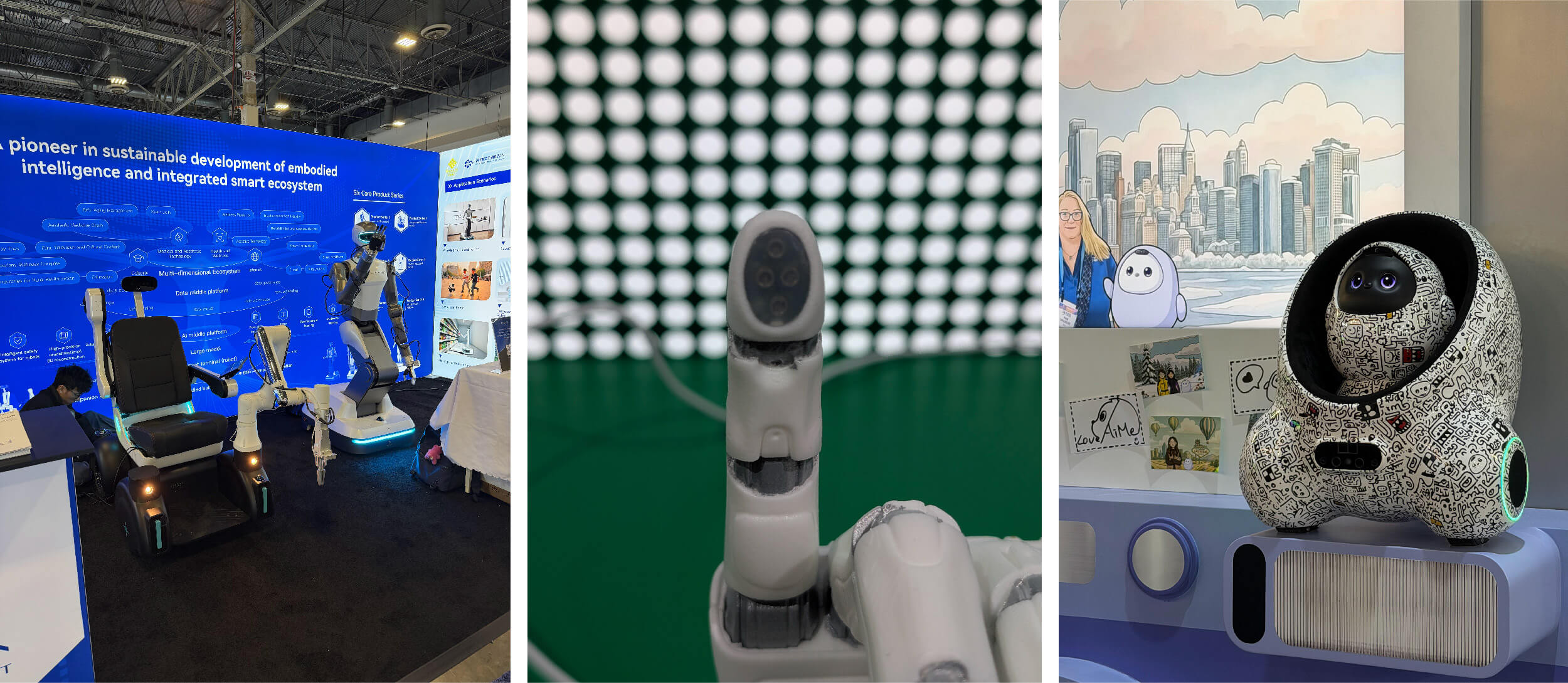
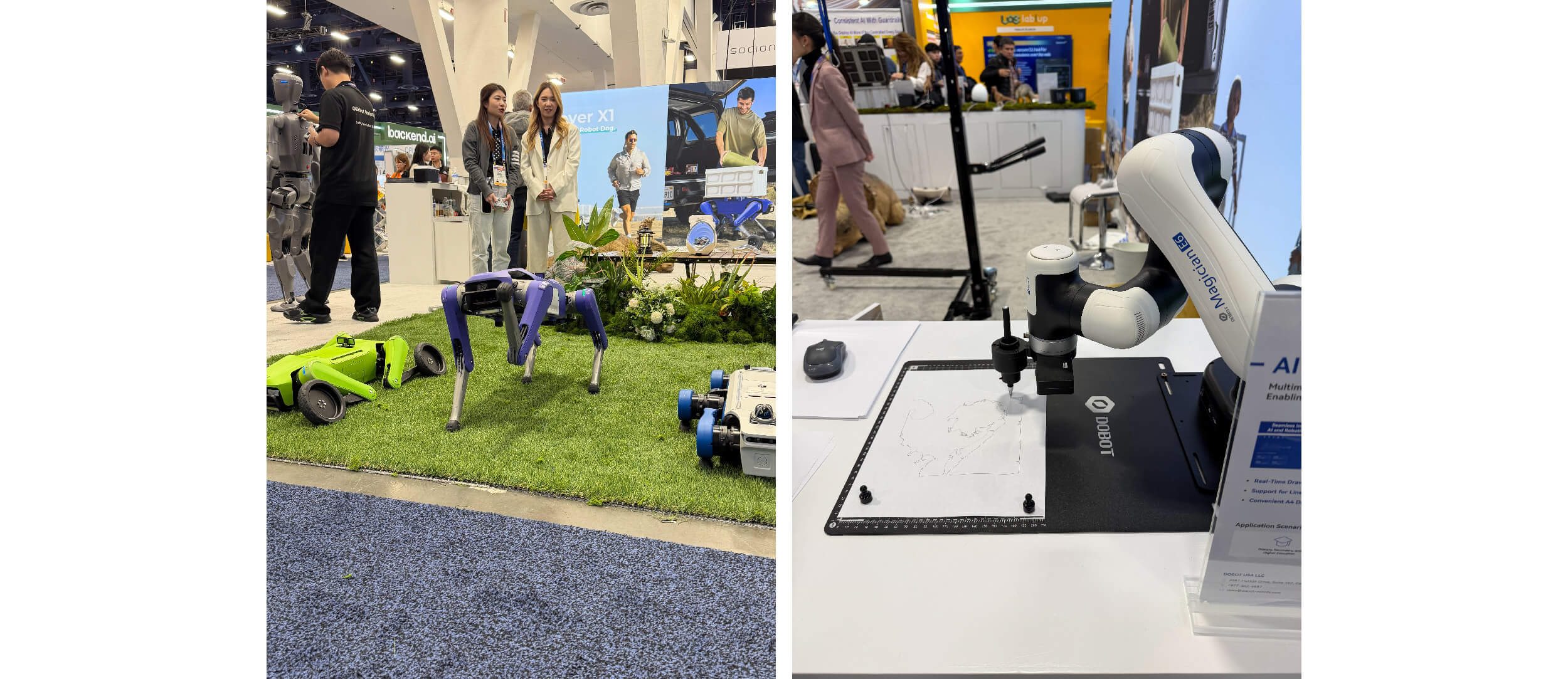
The task-driven robots felt grounded and purposeful, whether folding laundry, cleaning, drawing, navigating environments, or demonstrating dexterity.
The humanoid systems were often impressive, but their role was less clear beyond showcasing what is technically possible. That tension showed up repeatedly in how robots were designed to interact with people.
Below: DYNA Robot Folding Laundry | Sherpa robot with human dexterity
The Robot Face Problem
Many robots at CES shared a common design choice: faces.
Blinking eyes, animated expressions, and digital personalities were everywhere, clearly intended to convey trust. In practice, the effect was mixed. Visual friendliness does not always translate to user comfort, and in some cases it moved products closer to the uncanny valley than away from it.
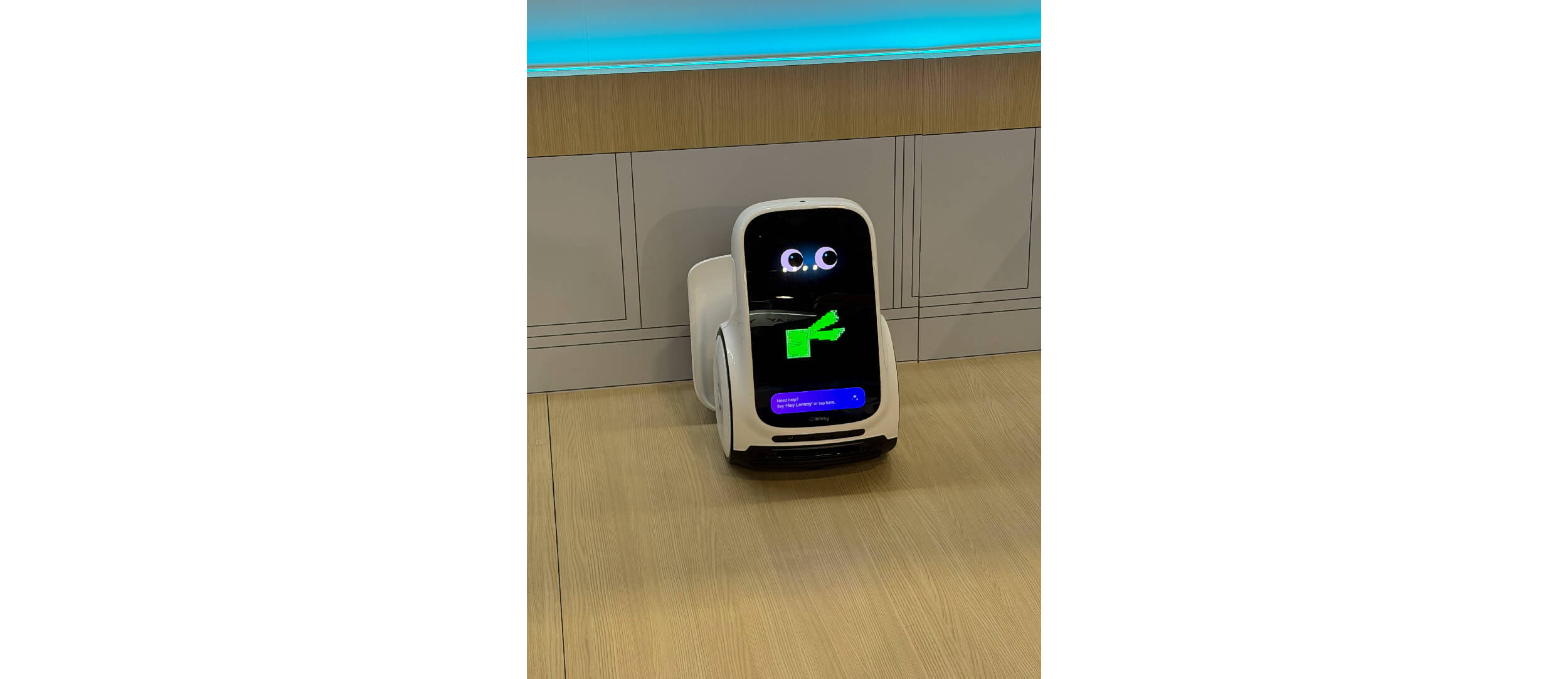
The challenge is not whether robots should look friendly. It is whether appearance is being used as a substitute for clarity of purpose. Long-term trust in robotic systems is earned through reliability, safety, predictability, and usefulness. Design plays a critical role in communicating those qualities, but it cannot compensate for ambiguity about what a robot is meant to do, how it behaves, or when it should be relied upon. Expressive faces may help signal intent, but they do not replace thoughtful interaction design, clear task boundaries, and consistent performance.
CES 2026 showed an industry still experimenting with how robots should look, act, and relate to people. The technology is ready. The open question is which design approaches will scale beyond fascination and novelty into everyday use.
4. Motors Improved. Sensors Got Cheaper. Haptics Had to Follow.
One of the more technical but important trends at CES was the convergence of motion, sensing, and feedback. Motors and sensors are now sensitive and affordable enough to support fine motor control, not just basic or industrial movement.
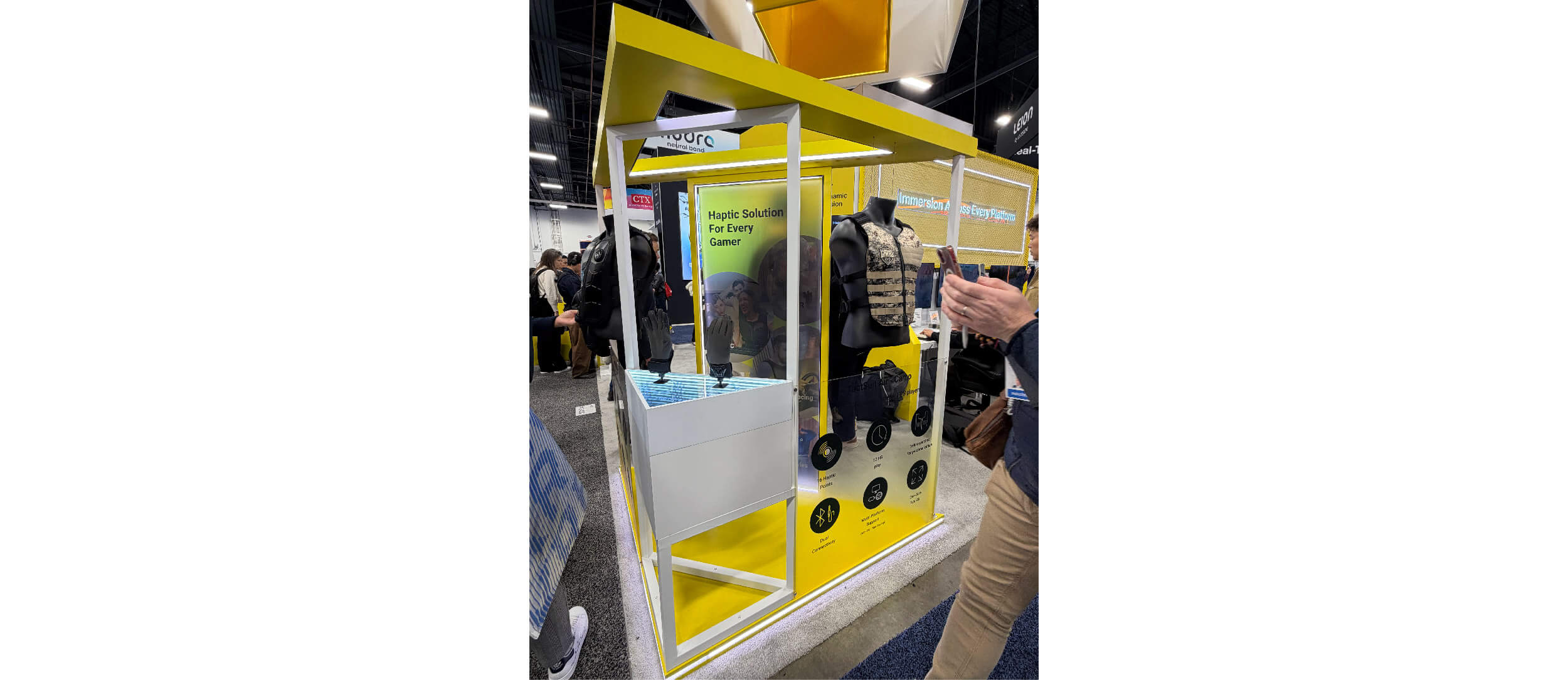
To take advantage of that precision, users need feedback. Haptics, including vibration, resistance, and tactile response, appeared across robotics, wearables, and advanced control systems. As systems become more capable, feedback becomes essential for control, confidence, and performance.
5. Wearables, Gestures, and the Evolution of Input
Input methods are continuing to evolve beyond keyboards and mice. CES featured a range of wearable and gesture-based controls, including rings, wrist-mounted systems, and EMG-driven interfaces. These approaches are particularly relevant for mobile, AR, and hands-busy environments where traditional input devices are limiting.
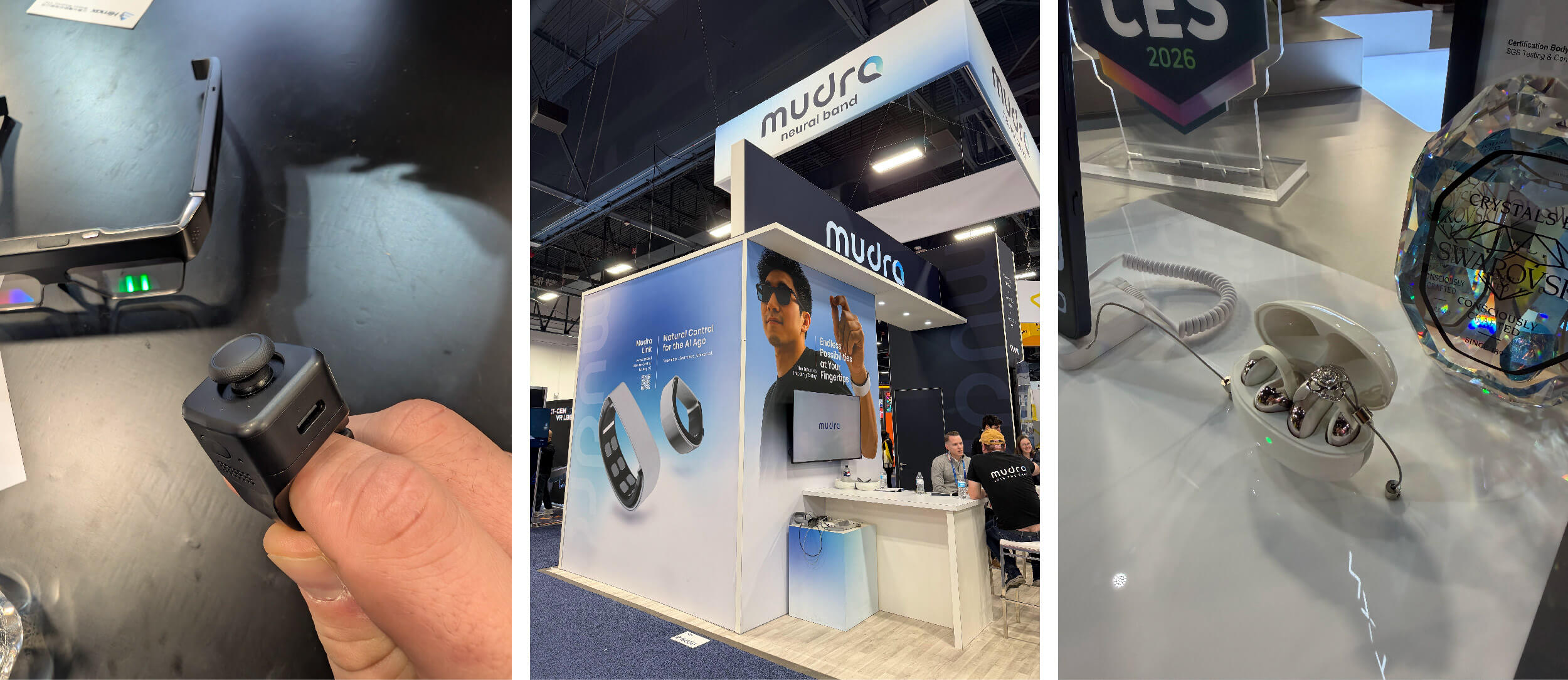
While gesture-based interaction still faces adoption and social-norm hurdles, the underlying technology is improving quickly. The mouse is not disappearing, but it is no longer the only serious option.
6. Wireless Power as an Enabling Layer
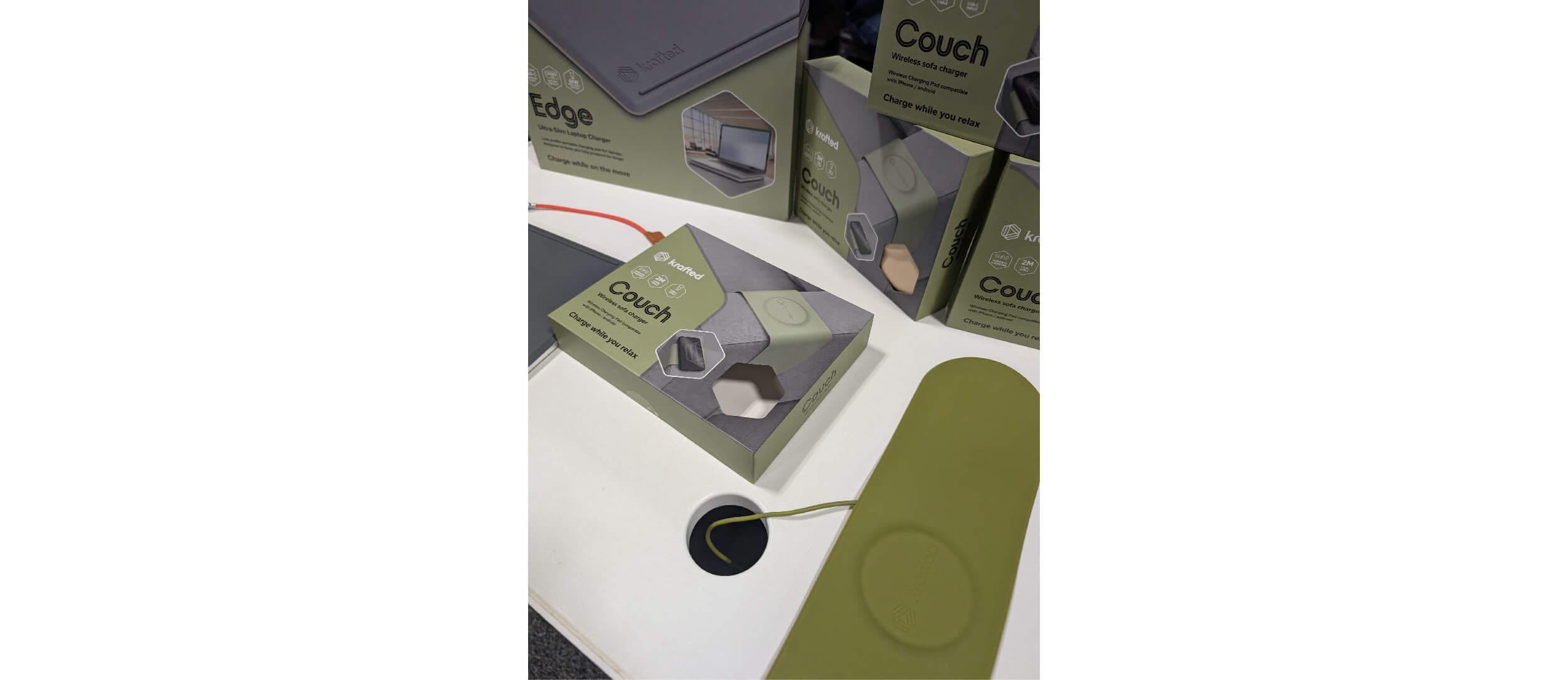
Wireless power appeared quietly but consistently across CES 2026. From wearables and AR devices to sensors and robotics, wireless power is increasingly used to reduce friction in industrial design. Eliminating ports improves sealing, simplifies assembly, and enables new form factors. Like many enabling technologies, its impact is felt early in the design process, long before users notice it as a feature.
7. E-Ink's Expanding Role
E-ink appeared in more places at CES 2026 than many people expected. While digital picture frames are nothing new, several manufacturers using E-ink technology were advertising battery life measured at one to two years. In a landscape where most connected devices require frequent charging, that level of efficiency stood out.
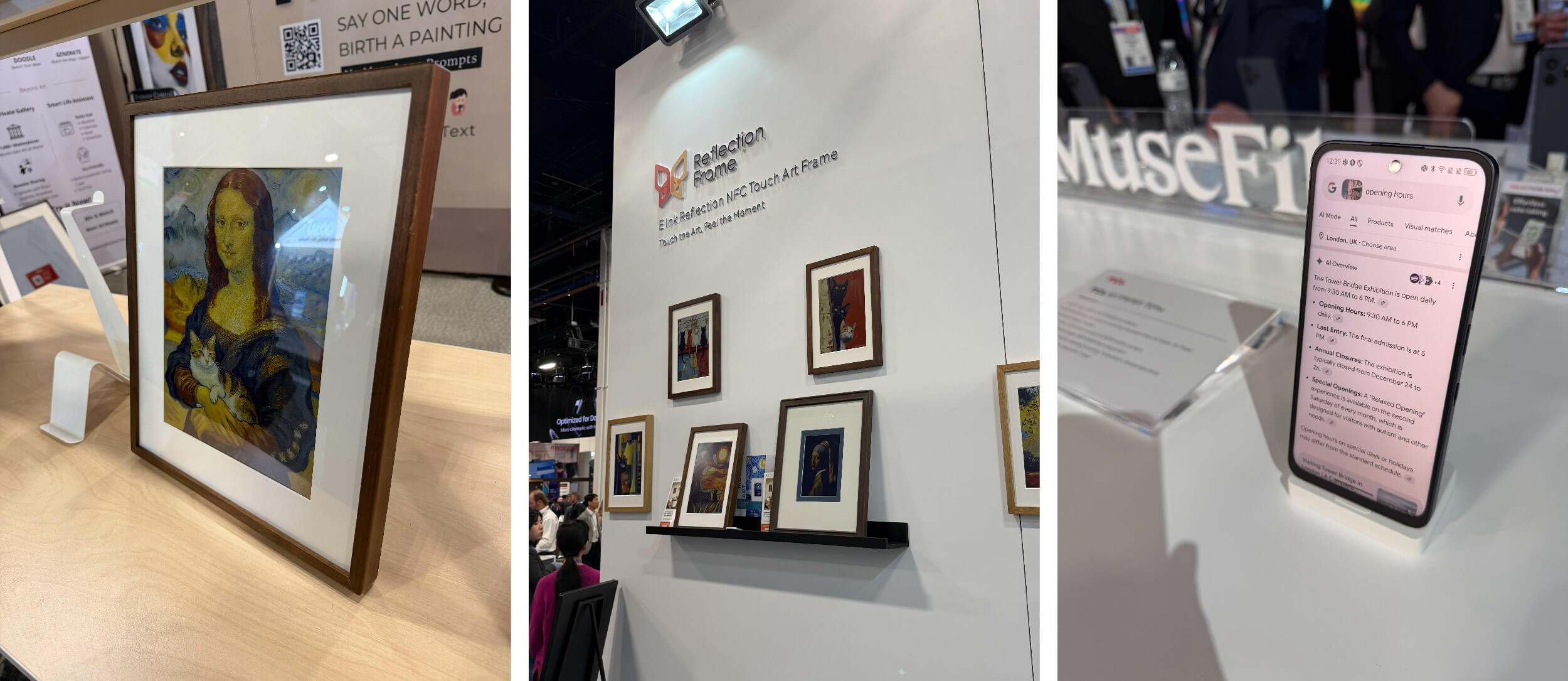
More revealing were applications that pointed beyond traditional displays. One example was e-ink used in consumer products like iPOLISH’s digital color-changing press-on acrylic nails, where users can digitally change nail colors. While playful, this use case highlights meaningful advances in color quality, curvature, and consumer-grade durability, and shows how e-ink is moving into categories that were not previously viable.
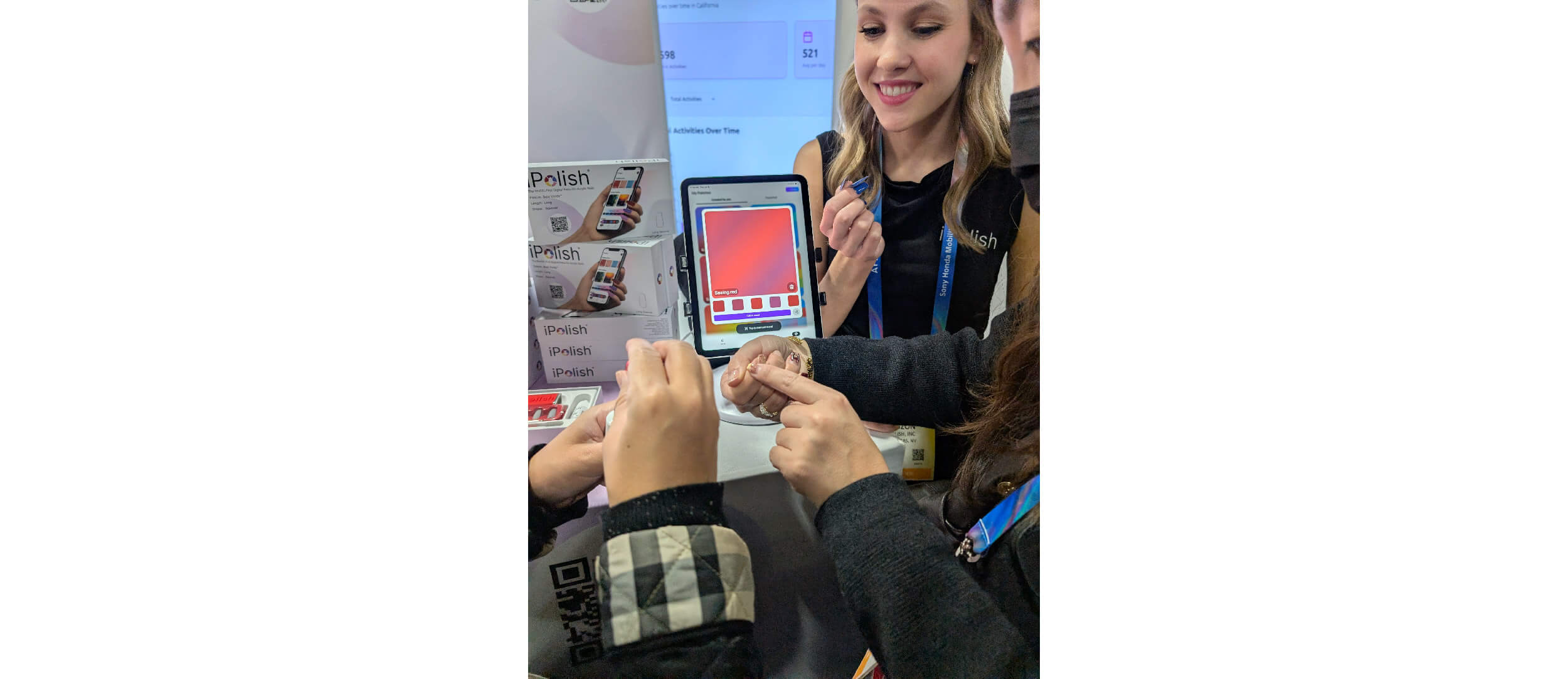
Low power consumption, strong readability across lighting conditions, and long operational life make e-ink well suited for applications where persistence matters more than refresh rate. That is why we expect to see this technology expand into areas where energy savings and scalability become increasingly important.
CES 2026 suggested that e-ink is no longer confined to niche displays. It is becoming a practical option for a growing range of real-world applications.
8. Makers, Lasers, CNCs, and a Shifting Manufacturing Landscape
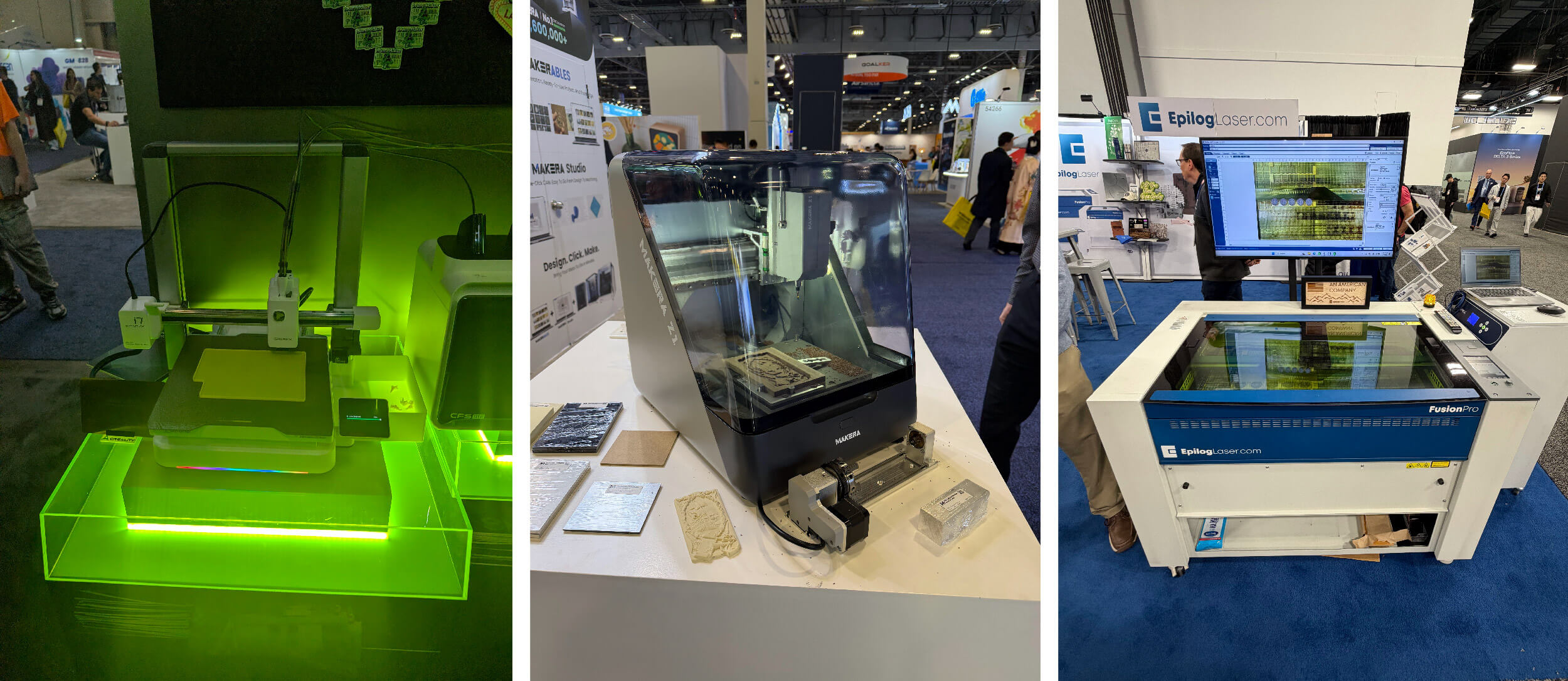
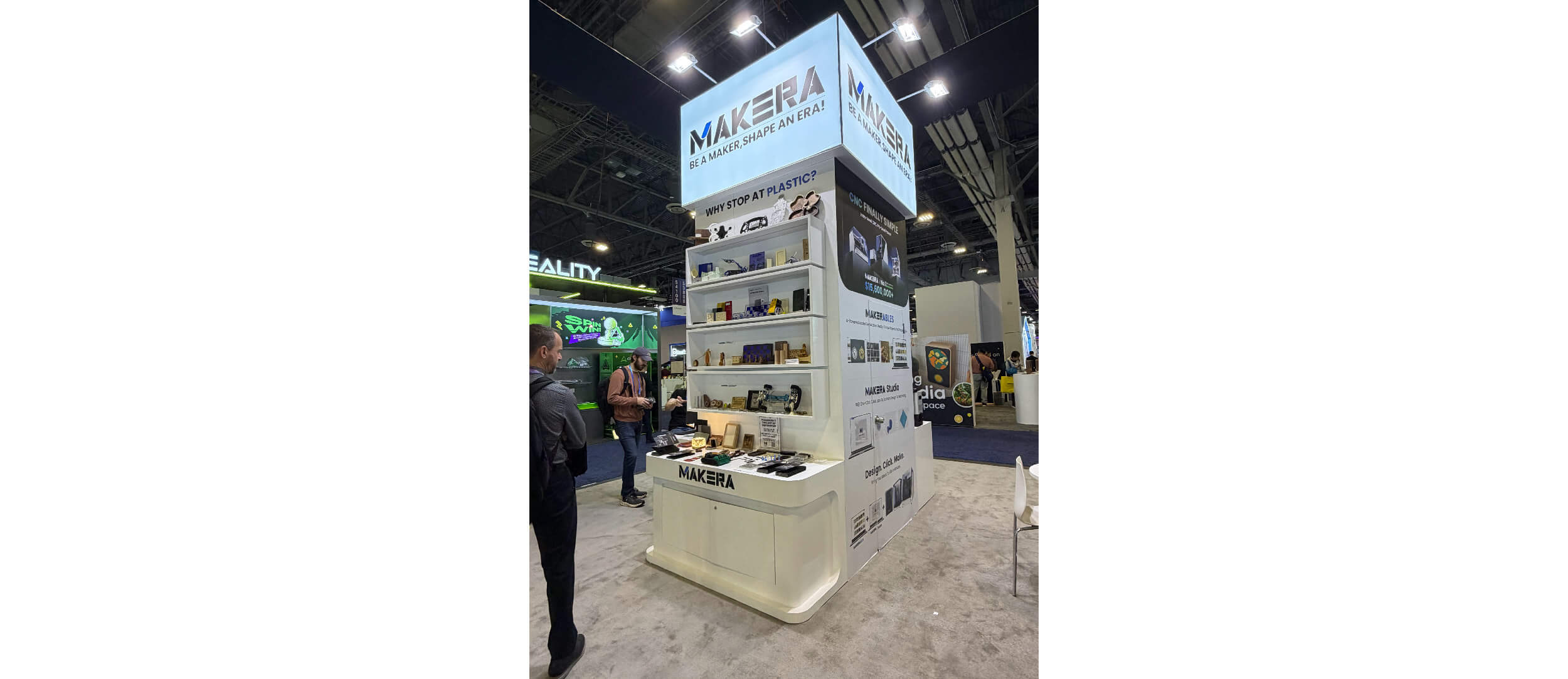
Another repeated signal was accessibility to fabrication tools. Lasers and CNC machines are increasingly affordable and user-friendly, opening advanced manufacturing capabilities to small businesses, independent makers, and early-stage product teams. This shift supports more distributed production models and shortens the path from idea to physical product.
9. Additive Manufacturing Expectations Have Shifted
In additive manufacturing conversations, one expectation surfaced repeatedly. Multi-material and multi-filament printing is quickly becoming a baseline requirement. As the technology matures, users expect more flexibility, better finishes, and greater functional integration from their tools. The bar has moved, and product offerings are adjusting accordingly.
10. Gaming Hardware and a Generation Raised on Phones
Gaming hardware at CES 2026 was immersive, technically impressive, and unapologetically large. Full haptic feedback, oversized displays, dedicated rigs, and environments designed to pull players completely into the experience were everywhere.
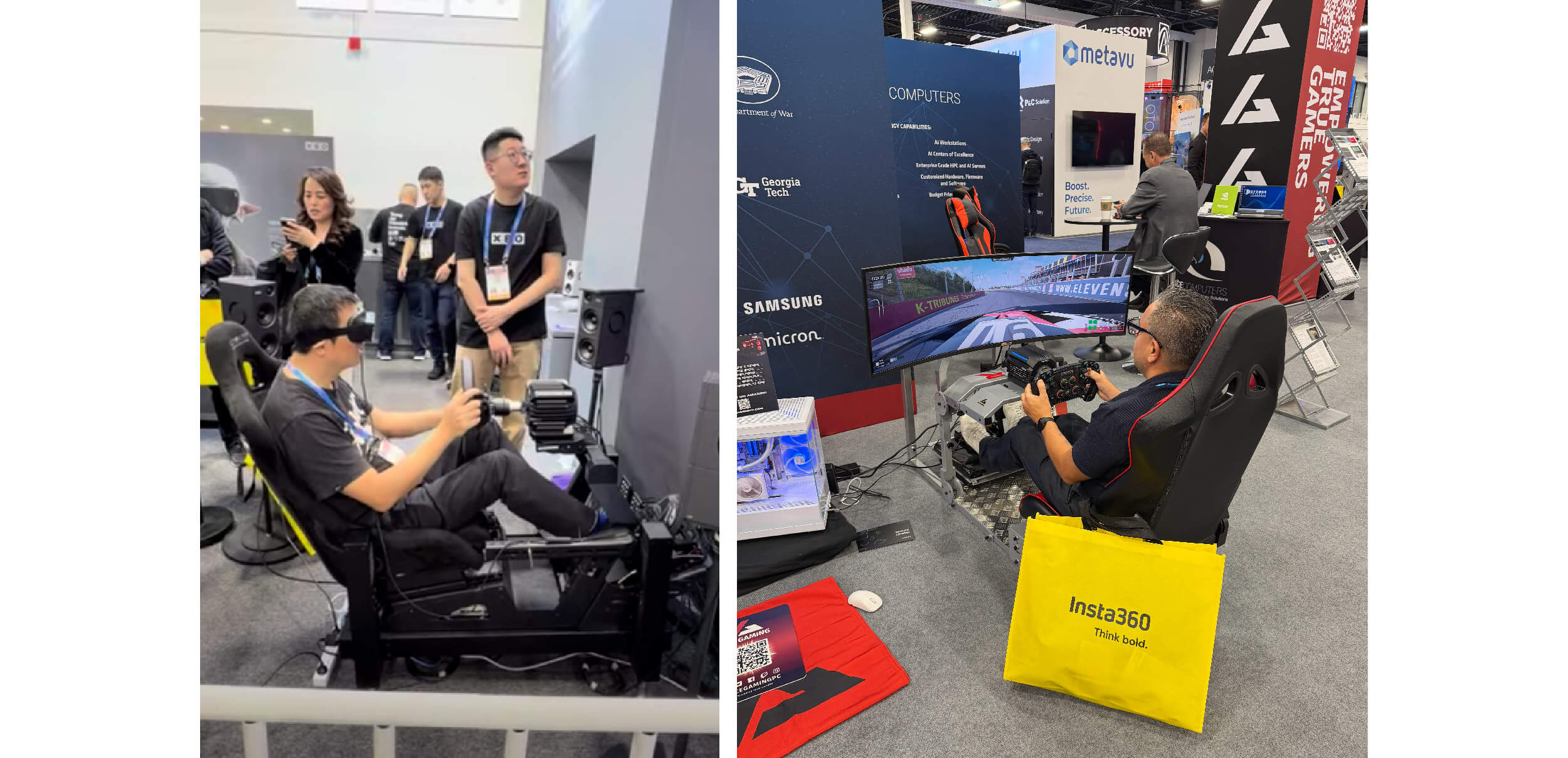
The open question is not whether these systems work. They clearly do. The question is who they are being built for?
A growing generation of gamers has been raised primarily on phones and handheld devices. For many younger users, gaming has always been portable, casual, and integrated into daily life rather than tied to a fixed physical space.
That generational context matters. Large-scale immersive rigs assume a willingness to commit space, time, and attention in ways that may not align with how younger players naturally engage with games. While there will always be demand for high-fidelity, deeply immersive experiences, it remains an open question whether those setups represent the future of mainstream gaming or a more specialized segment within it.
11. Drones as a Normalized Skill
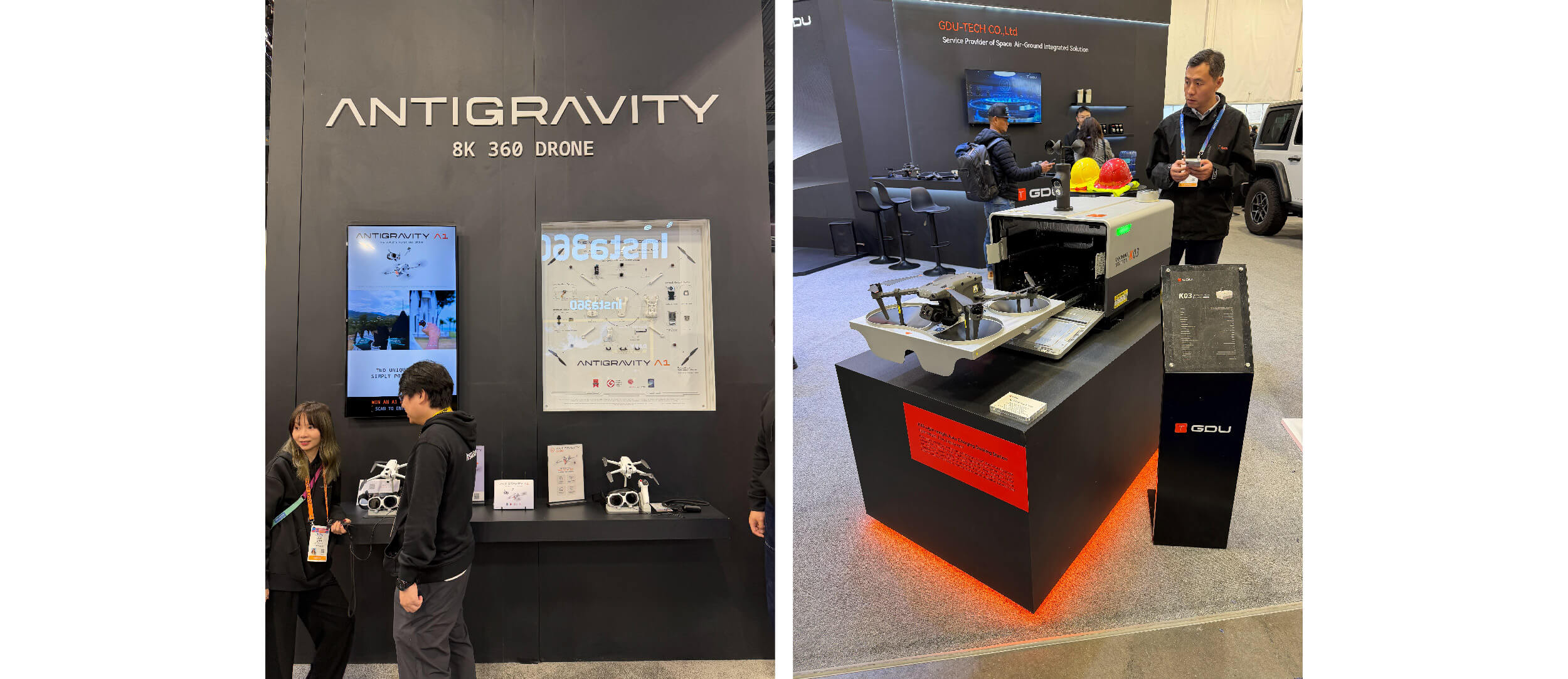
Drones continue to shift from novelty to infrastructure. At CES, drone operation was frequently discussed in practical terms, including education and workforce development. As drone use becomes more common and automated, supporting ecosystems are adapting to treat flight and control as standard technical skills.
What the CES 2026 Trends Ultimately Reveal
CES 2026 did not point to a single future. It revealed many trajectories at different stages of maturity.
Some of the technologies on display will accelerate quickly. Others will evolve more slowly. A few will likely fade. What made these worth attention was not novelty, but what they collectively revealed when viewed together. By reading between the lines of CES 2026, we see clear technology trends emerging, pointing to where product teams are likely to focus over the next several years.
At Hatch Product Development & Contract Manufacturing, this is where we focus. The intersection of design ambition, engineering reality, and manufacturing feasibility is where products succeed or fail. CES remains valuable not because it predicts the future, but because it shows which parts of it are starting to solidify. Reach out to the Hatch team if you have a product idea you’d like to discuss or want to explore how these technologies could be applied to your next program.
Curious about CES from last year? Read up on the 2025 Tech Trends from CES.