Once a product’s design is fully working as intended (see Engineering Verification Test (EVT)), the next milestone in the development journey is DVT Engineering, or Design Verification Testing. This is where engineering verification transitions to production vendors and the product is tested, refined, and built with near-production quality parts for the first time.
At Hatch, we view DVT as the critical bridge between engineering and manufacturing. It’s the point where product designs mature, suppliers are engaged, tooling begins, and every element is pushed closer to the standards and reliability required for mass production. This is the phase where the most issues are found and solved.
What Is DVT Engineering?
DVT Engineering is focused on confirming that the product design, materials, and components all meet performance, reliability, and regulatory requirements. Unlike EVT, which validates that the design works, DVT verifies that it can be reliably reproduced using production manufacturing processes.
This phase typically involves producing a build of near-production-quality units using the same processes, materials, and tools that will be used in full-scale manufacturing. The goal is to test not only how the product functions, but also how it performs when built under production-like conditions with the entire supply chain.
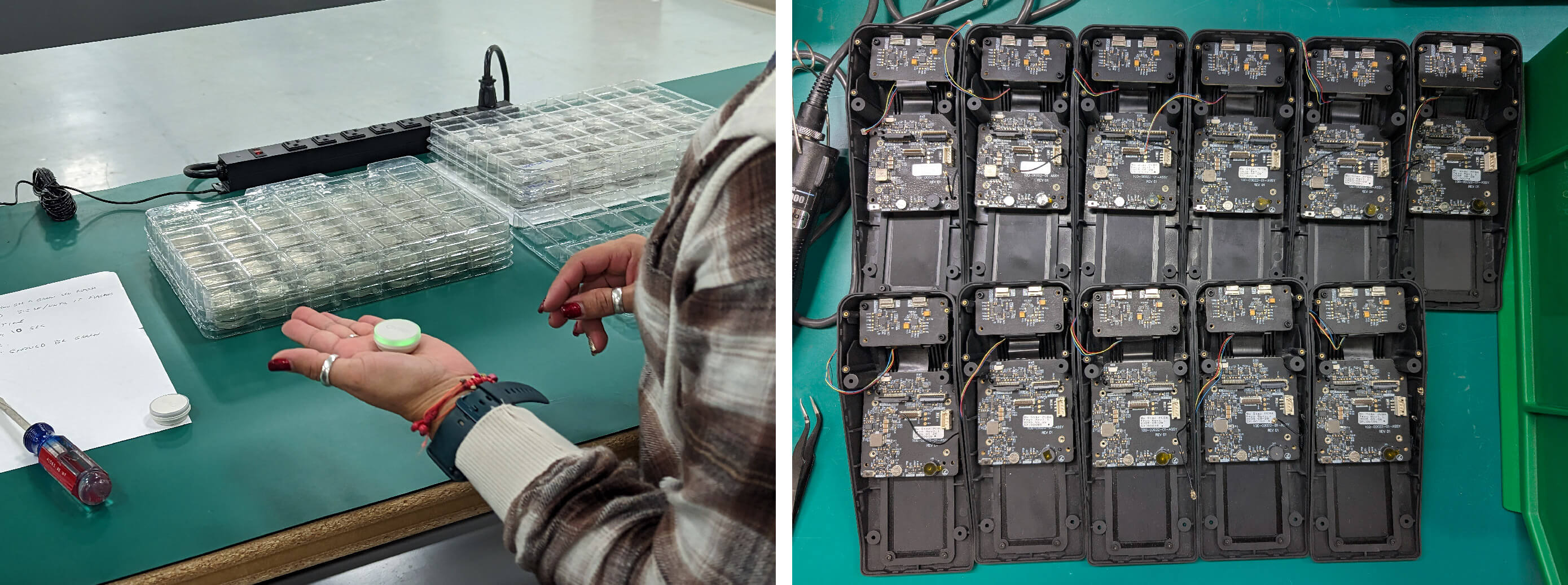
What Happens During the DVT Phase
During the DVT phase, teams move from engineering experiments to controlled production validation. It’s a highly collaborative phase involving engineering, manufacturing, quality, and supply chain management.
Here’s what typically happens during DVT Engineering:
Stage 1: Production Vendor Engagement
- Finalize design updates from EVT and release initial production drawings
- Engage production vendors for first-run parts and tooling (T0/T1/T2)
- Review early builds and FAIs, iterating as manufacturing realities are introduced
Stage 2: Verification and Validation Testing
- Verification: Confirm the product meets defined technical requirements and specifications
- Validation: Confirm the product meets user needs and intended use, including early regulatory testing such as FCC and safety standards
- Use test failures to drive targeted design refinements
Stage 3: Production Readiness
- Start to develop work instructions, QA/QC documentation, and assembly flows
- Validate fixtures, jigs, test stations, and production workflows
- Prepare supply chain and labor assumptions ahead of PVT
While the product at this stage is made with production manufacturing processes, it’s still considered a prototype build. Multiple units are typically built, broken, and thrown away across these stages to support testing and iteration.
The Role of Tooling in DVT Engineering
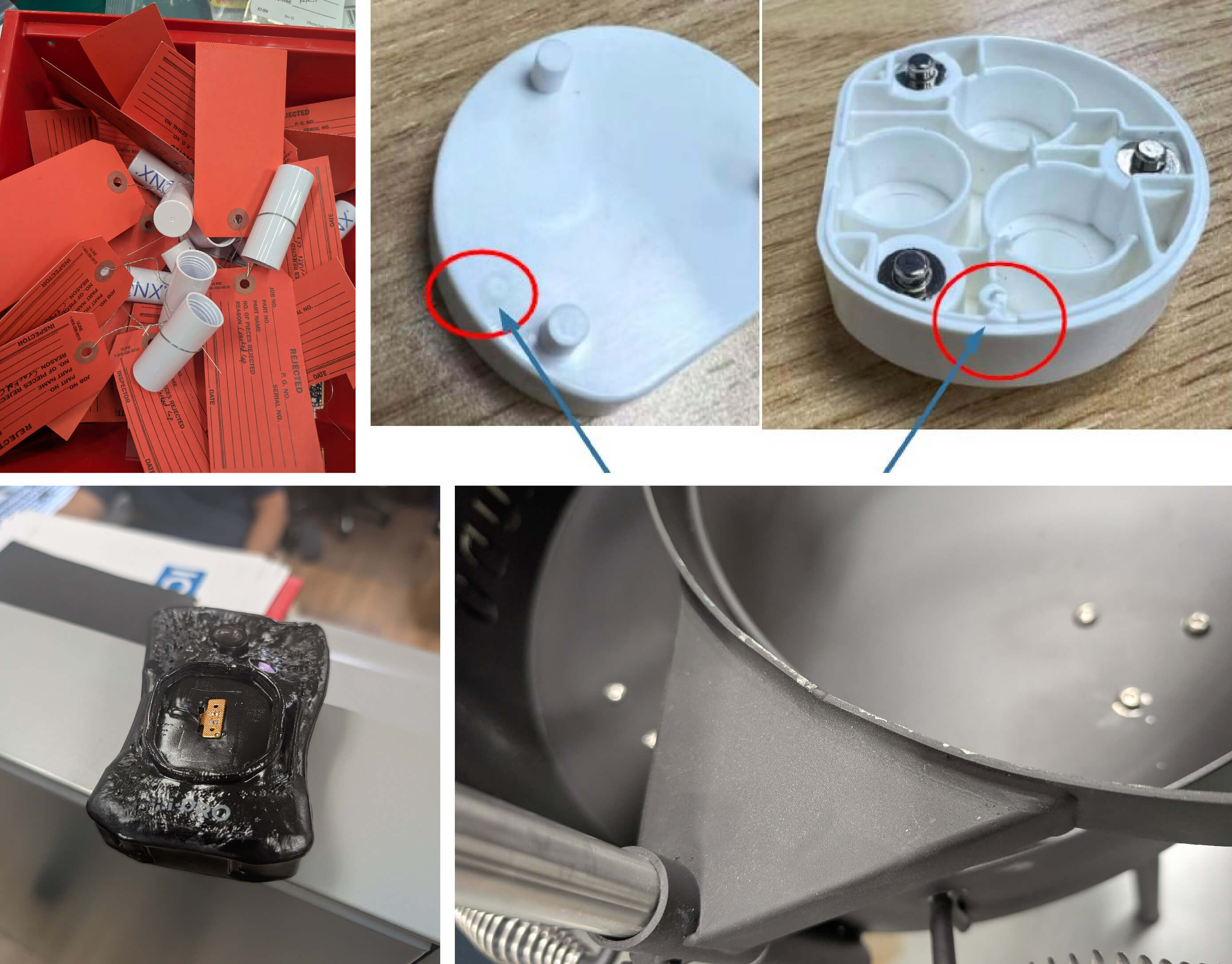
Tooling is one of the most critical components of DVT. It’s the first time parts are produced using the actual manufacturing tools that will support volume production.

At Hatch, we provide comprehensive tooling management services, from Design for Manufacturing (DFM) review and material selection to tool qualification and process validation. Our team oversees all stages of the tooling cycle, including First Off Tool (FOT), T1/T2 iterations, and Production Part Approval Process (PPAP) sign-off, ensuring each part meets required tolerances and finish standards.
We also manage Color, Material, and Finish (CMF) and Visual Inspection Guidelines (VIG) documentation to ensure every component meets aesthetic and functional expectations. By working closely with production vendors, Hatch ensures tooling aligns with both performance and cost targets, offering various grades and production options to fit the needs and budgets of each project.

You can learn more in our related blog: What is tooling in manufacturing?
DVT Output: A small batch of validated, near-production prototypes, complete with finalized design documentation, tooling updates, quality standards, and a detailed gap analysis to prepare for the PVT phase.
Why DVT Engineering Matters
The DVT phase is where a product transitions from working prototype to a repeatable, certifiable design ready for scale. It reduces risk before significant manufacturing investment and validates that suppliers, materials, and processes can meet expectations.
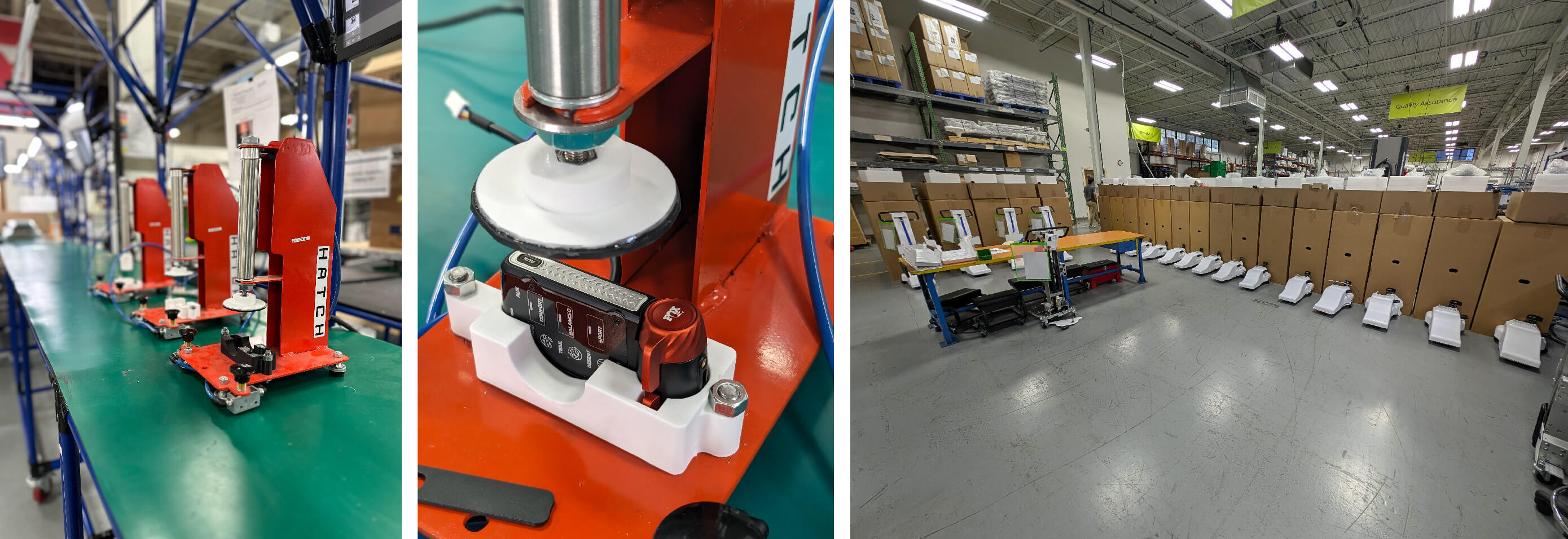
By the end of DVT, teams should have:
- Verified product performance under production conditions
- Qualified suppliers and tooling
- Completed or initiated certification testing
- Refined documentation and quality procedures
- A clear roadmap to the PVT (Production Verification Testing) phase
At Hatch Product Development, we guide products through DVT with a focus on precision, documentation, and manufacturability. Our integrated engineering and manufacturing teams work side by side to ensure your product leaves DVT ready for production, certification, and launch.
If your team is entering the DVT Engineering phase and needs a partner to bridge design and production with confidence, contact Hatch to learn how we can help you build a smoother path to market.