After months of engineering, testing, and refinement through EVT and DVT, a product reaches its final milestone before launch: Production Verification Testing (PVT).
The PVT phase, also known as the pilot build, is the final checkpoint before mass production begins. It’s where design, manufacturing, and quality processes come together to confirm that your product can be built reliably, efficiently, and at scale.
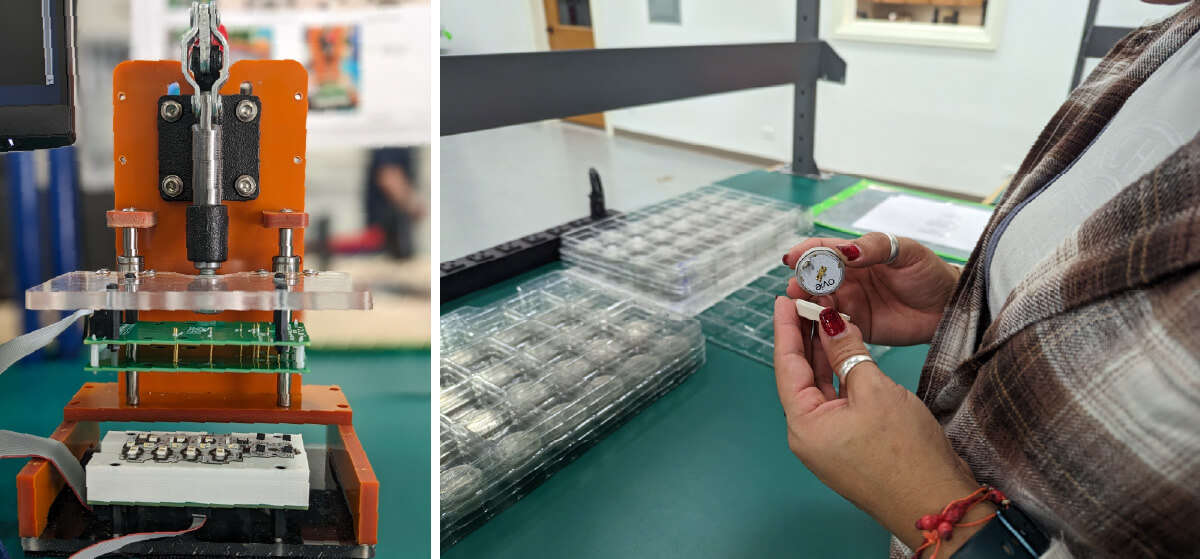
At Hatch, we use production verification testing to ensure every detail from tooling to test stations is optimized before full-volume manufacturing begins.
What Is Production Verification Testing?
Production Verification Testing (PVT) is the stage where the product design and manufacturing systems are validated together. While earlier phases like EVT (Engineering Verification Test) and DVT (Design Verification Test) confirm that the design and parts are correct, PVT verifies that the production process itself is stable, repeatable, and ready for volume.
In PVT, teams typically build a limited pilot batch, often between a few dozen and several hundred units, using production-equivalent parts, materials, and tooling. The goal is to identify and resolve the last of any issues in assembly flow, equipment setup, supplier consistency, or quality assurance before scaling to thousands of units.
What to Expect During the PVT Phase
At this stage, all key disciplines, mechanical, electrical, firmware, manufacturing, and quality, work together to test the full production process.
A successful PVT phase generally includes:
- Resolving issues identified during DVT: Design refinements or documentation updates are completed to address test findings.
- Pilot production builds: A limited number of units are produced using the same equipment, materials, and vendors planned for mass manufacturing.
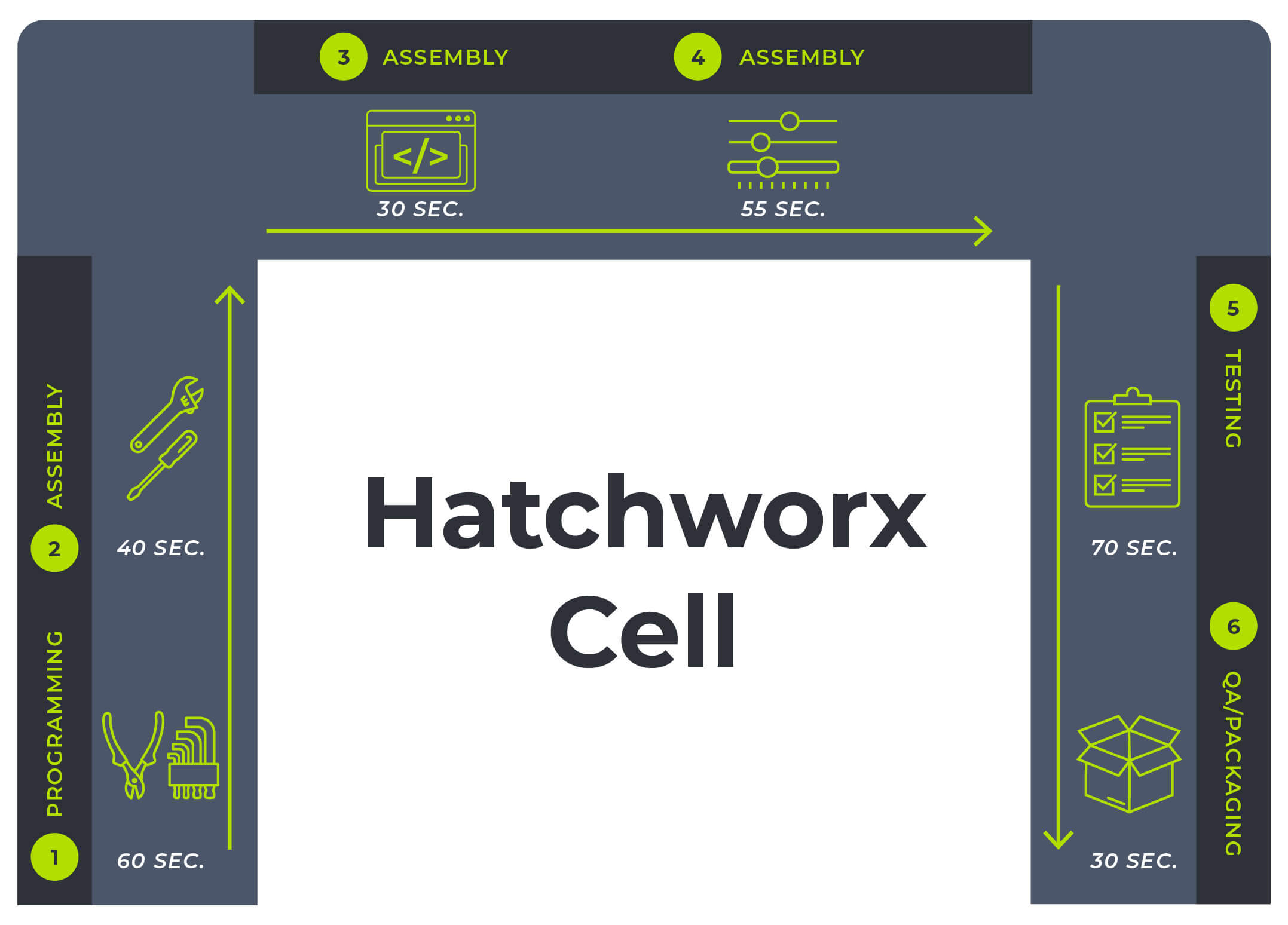
- Line setup and validation: The production line is arranged and trained with finalized workstations, fixtures, jigs, and test stations, and work instructions (WI) are reviewed and approved.
- Process validation and studies: Teams conduct labor and test time studies to confirm efficiency and output goals.
- Quality and inspection: QA/QC procedures are finalized, and a First Article Inspection (FAI) is performed on vendor-manufactured parts before approving them for assembly.
- Comprehensive functional testing: Units undergo burn-in, drop, vibration, thermal, and environmental testing to validate performance consistency under production conditions.
- First Article Inspection (FAI): Complete reports from production vendors to verify that the manufacturing process consistently meets all dimensional, functional, and material specifications before ramping to mass production.
- Engineering change management: Any updates are documented and released through Engineering Change Notices (ECN) to maintain version control and traceability.
For companies with overseas manufacturing partners, PVT may also include on-site production reviews to verify that materials, processes, and quality standards align with design intent.
Why Production Verification Testing Matters
The PVT phase is where a product transitions from development to true production. It ensures that:
- The production process consistently produces high-quality units
- The supply chain and vendors are fully qualified
- Work instructions and assembly processes are locked
- Production yield and timing meet expectations
In short, PVT is the proof that your design can be built reliably at scale. By validating every component of the production workflow, you prevent costly issues, delays, and recalls once mass manufacturing begins.
At Hatch, our team supports clients through every step of production verification testing from design updates and line setup to first article inspection and process validation, ensuring a seamless handoff from development to manufacturing.
PVT Phase Output: Consistency at Volume
A successful PVT phase delivers more than a functional product — it delivers confidence in your ability to produce that product consistently.
When PVT is complete, your team should have:
- Stable manufacturing processes
- Finalized QA/QC documentation and work instructions
- Verified fixtures, jigs, and tooling
- Approved engineering changes and inspection records
- A clear go-ahead for mass production
If your product is approaching the Production Verification Testing phase and you need an experienced partner to ensure manufacturing success, connect with Hatch to learn how our integrated engineering and production teams can help you bring your product to market with confidence.