Scaling the KUDU Open Fire Grill for Mass Production
The Challenge
KUDU had an existing open fire grill product with strong market demand. However, their previous contract manufacturer could not keep pace with growth or deliver the engineering refinements required to elevate product durability and consumer experience.
The product required mechanical improvements, production processes validated, and a manufacturing partner capable of supporting sustained mass production. At the same time, cost exposure and tariff considerations needed to be addressed to protect margins while scaling. Knowing that changing CMs can be tricky, KUDU turned to Hatch to stabilize production, refine the design, and build a scalable path forward.

Engineering Refinement for a Better Open Fire Grill Experience
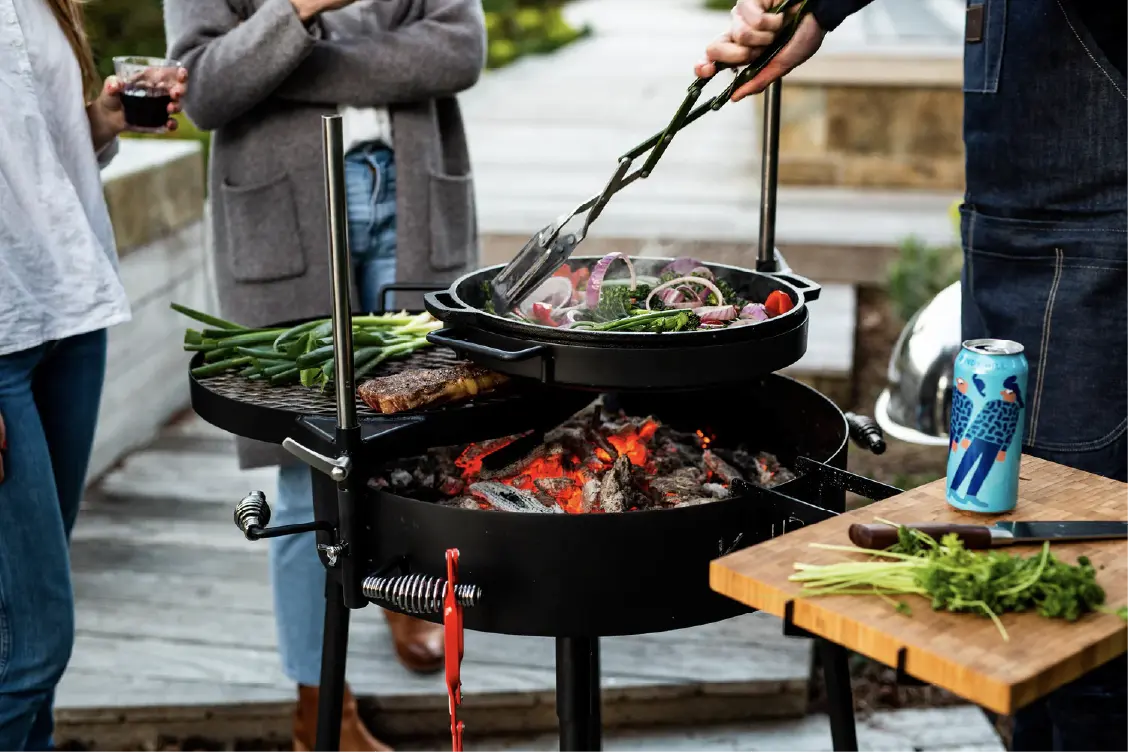
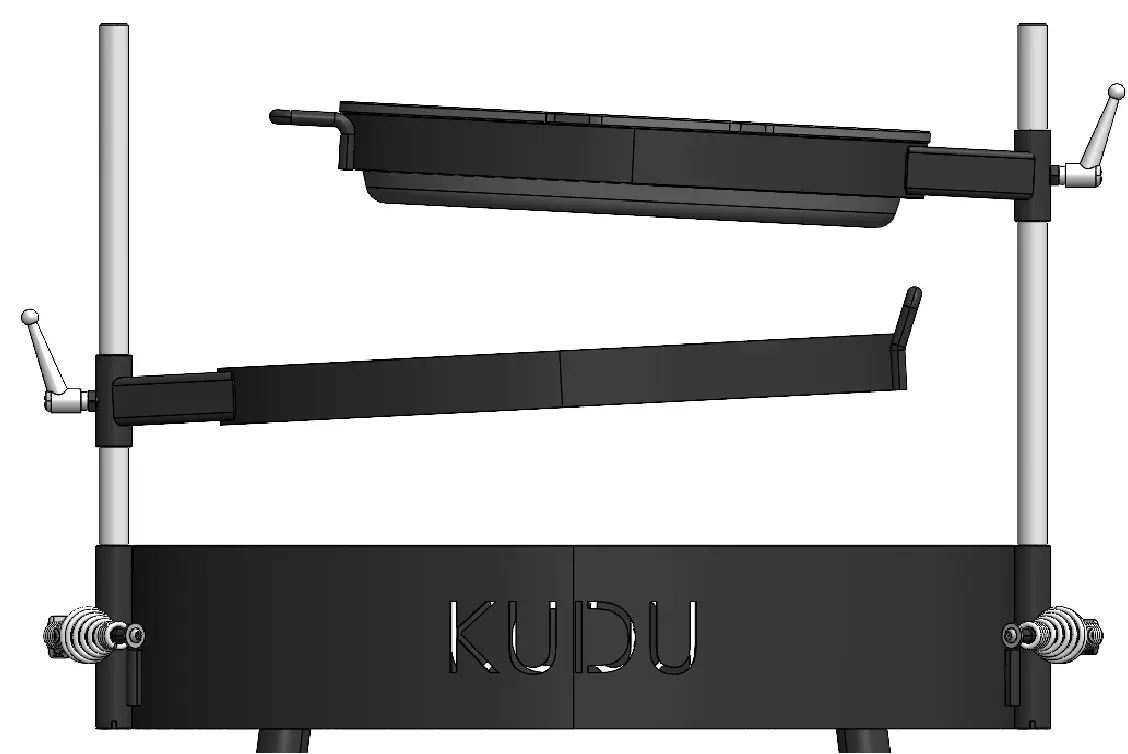
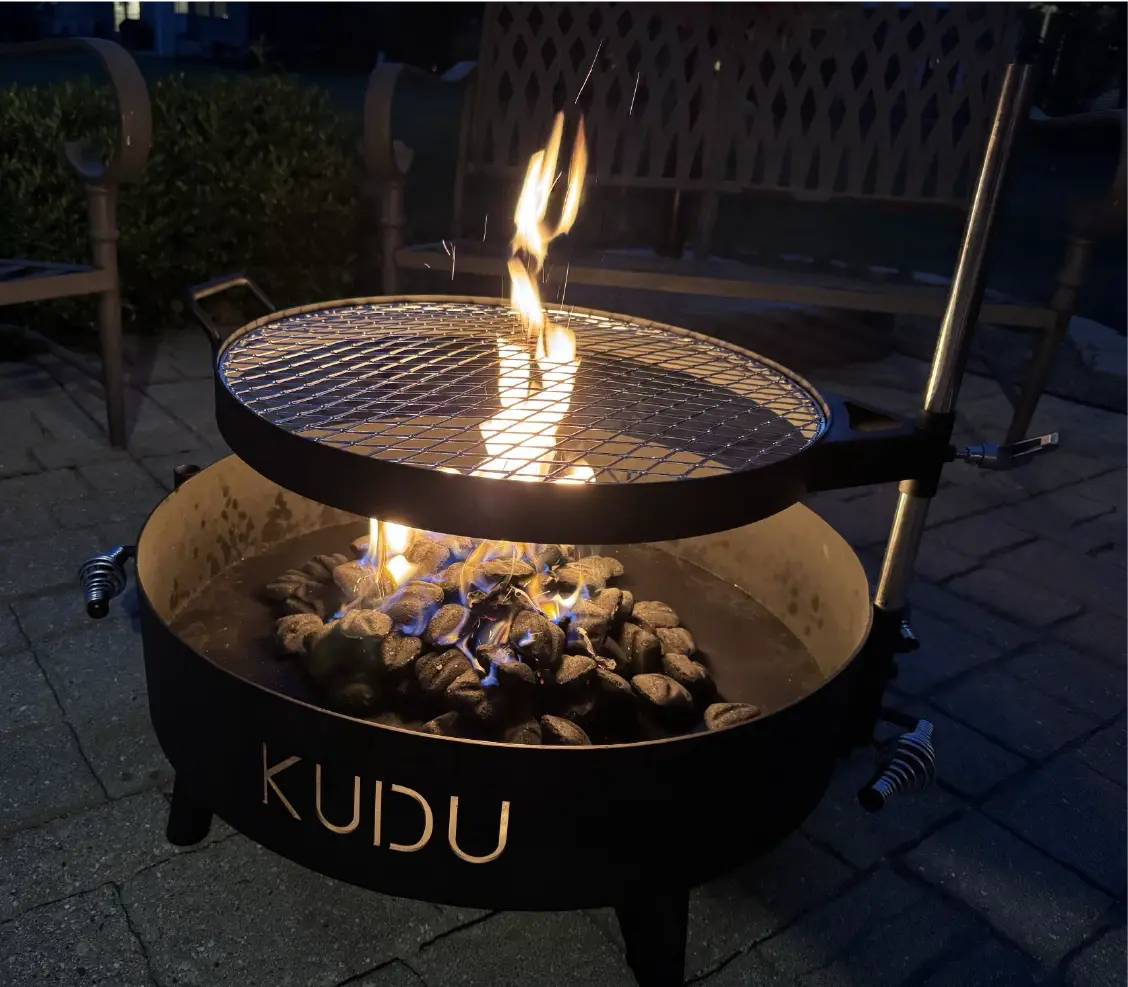
The KUDU Grill is a modular open fire cooking system built around three primary components:
A stainless steel grill grate with raised ridges for traditional searing and fat channeling
Adjustable elevation bars that allow precise heat control
A heavy duty cast iron pan for versatile open fire cooking
While the core concept was strong, some of the mechanical details required improvement.
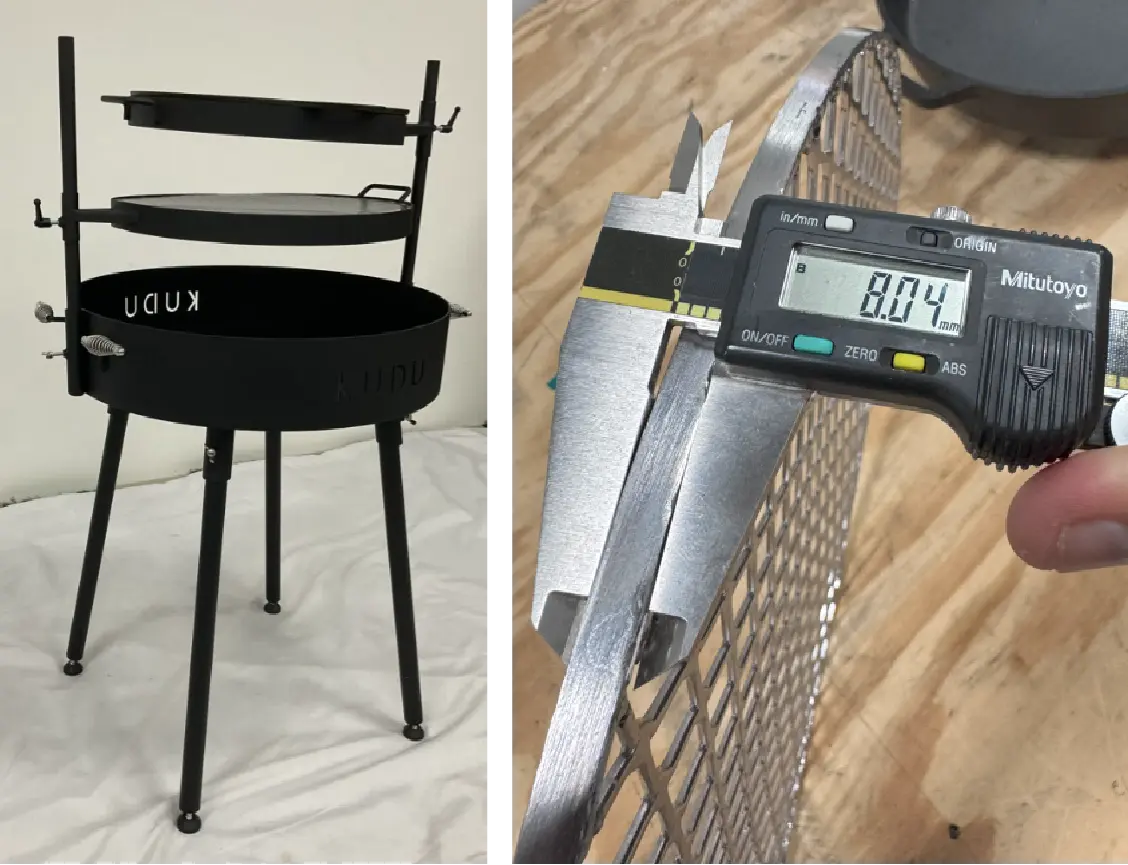
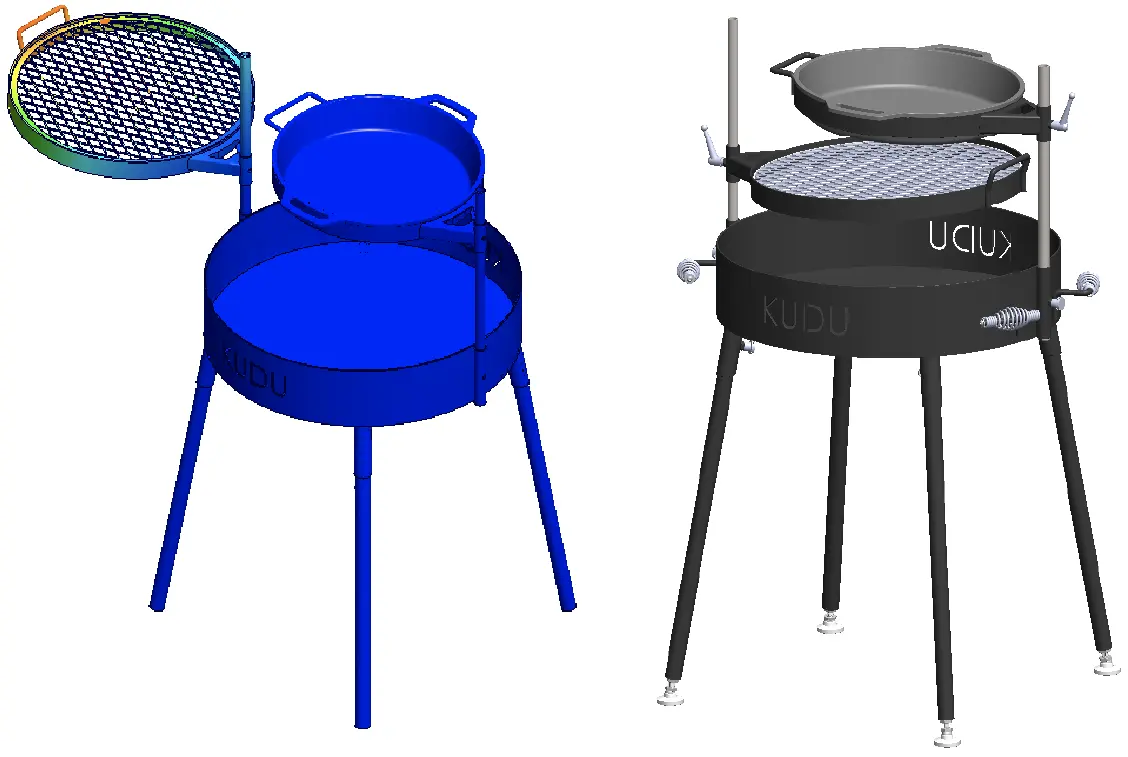
Hatch performed a full mechanical engineering review and implemented refinements including:
Upgrading and correcting fastener selection to improve long term durability
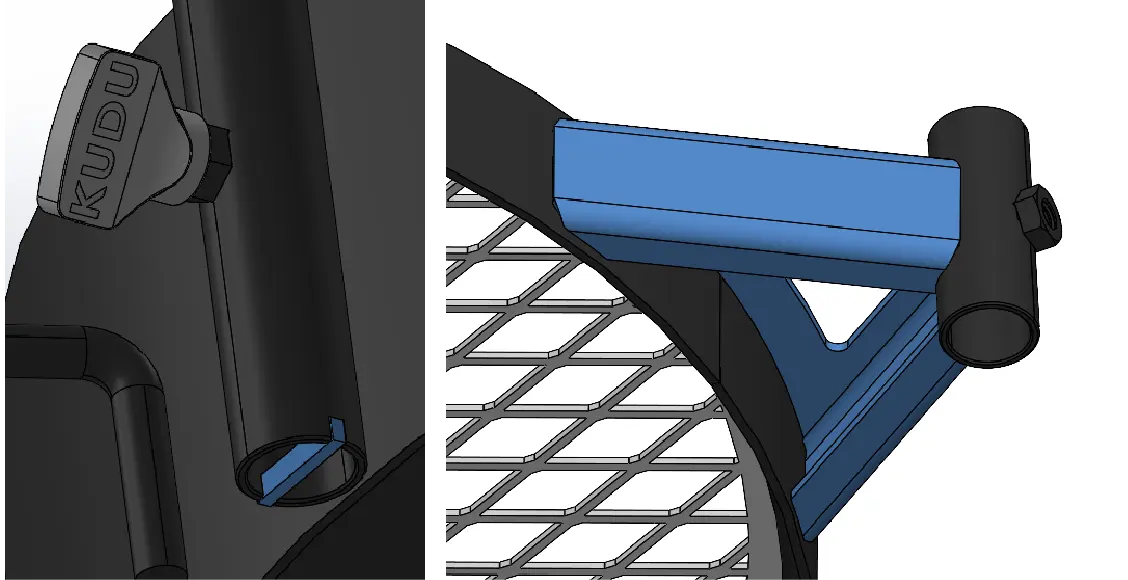
Redesigning a stopper mechanism to prevent the cooking pole from disengaging
Improving stability through optimized leg geometry while maintaining the outward angled stance that defines the product’s visual identity
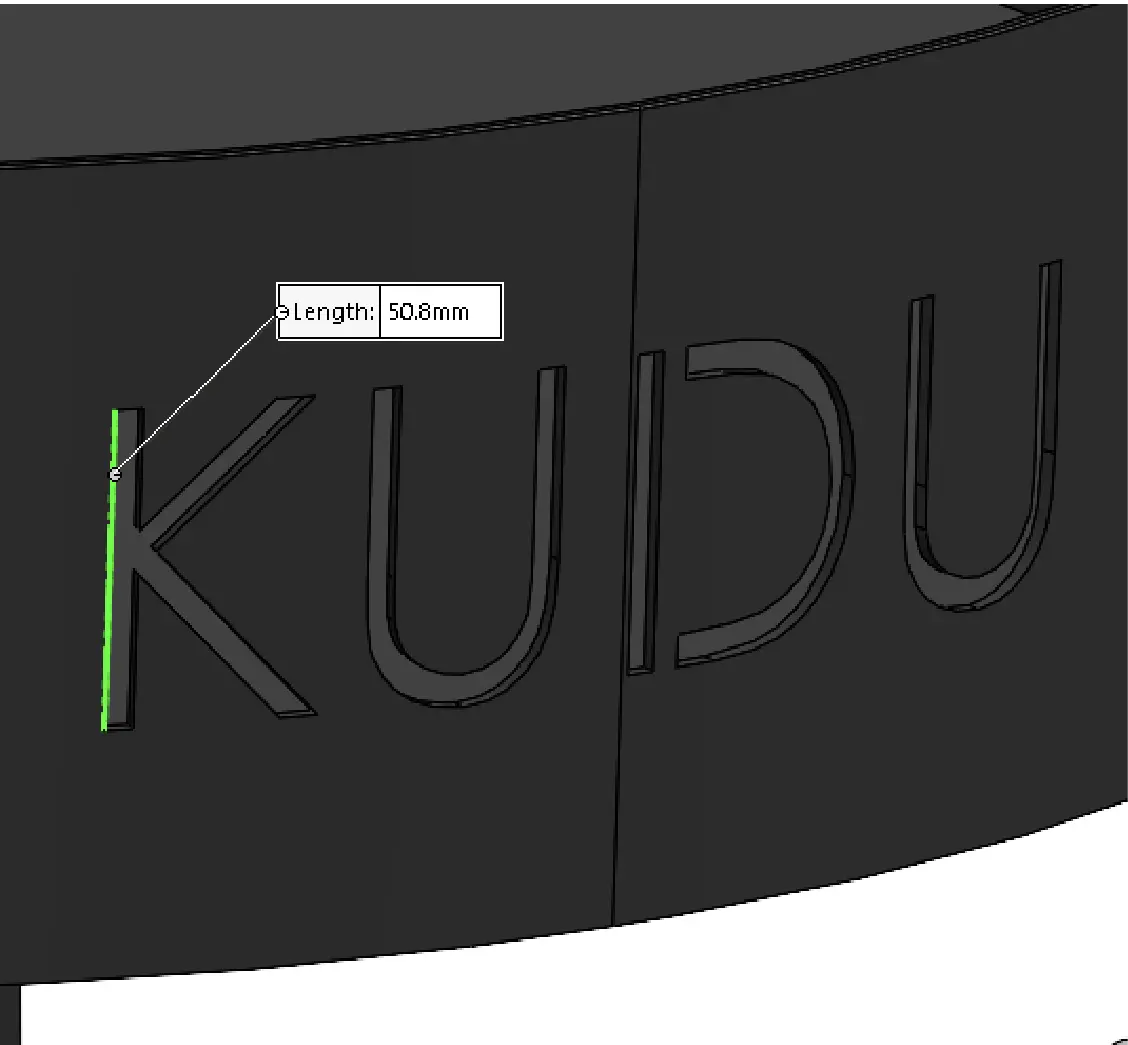
Tightening tolerances across key assemblies for repeatable manufacturing performance
Better packaging to ensure reliability in shipping to their end customers
These changes enhanced both structural integrity and consumer confidence without altering the recognizable KUDU design.
Supplier Qualification and Selection
To ensure scalable production of the open fire grill, Hatch identified and qualified multiple manufacturing vendors capable of meeting volume, quality, and process requirements.
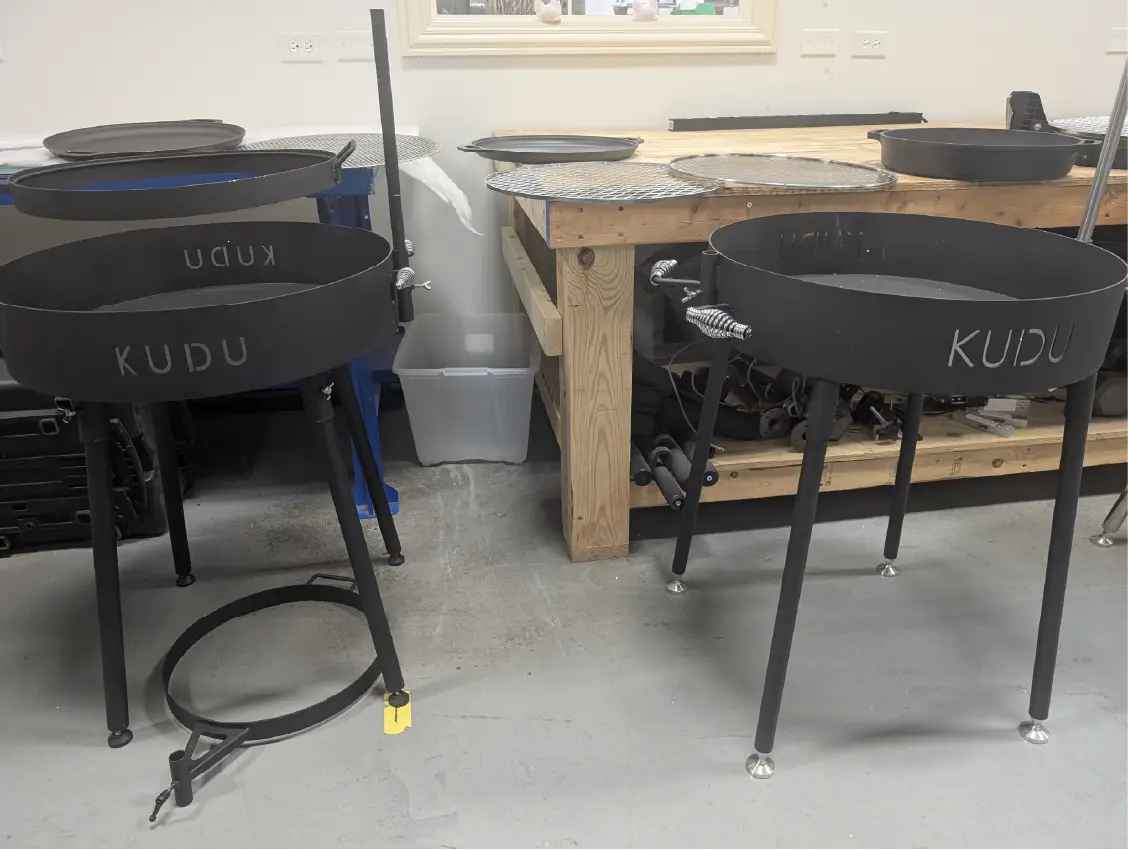
The qualified suppliers were evaluated through structured prototype builds. Hatch provided engineering feedback to both, assessed process capability, and evaluated consistency across critical components such as stainless steel fabrication. Items including the thumb screws, ratcheting handles, and cast iron pan were sourced from Hatch’s vendor network. Following evaluations and iterative feedback, the final suppliers were selected based on quality performance, process control, and scalability.
Prototype Development and PVT Validation
Hatch led the development of a refined prototype incorporating all mechanical updates. This prototype validated fit, function, and user experience improvements before production scale up. A full Production Validation Testing build was then executed to confirm:
Manufacturing repeatability
Assembly consistency
Mechanical robustness
Packaging integrity
Field performance readiness
The PVT units were reviewed and approved by the KUDU team, formally green lighting mass production.
Tariff Engineering and Manufacturing Strategy
As part of the transition to scaled manufacturing, Hatch implemented tariff engineering strategies to reduce cost exposure while maintaining product quality. This included evaluating material sourcing, component classifications, and manufacturing process decisions to optimize landed cost without compromising performance.By addressing tariff considerations early in the production ramp, Hatch helped create a more resilient cost structure for long term growth.
Manufacturing Process Optimization for Mass Production
With engineering updates validated and a supplier selected, Hatch implemented structured manufacturing process controls to support high volume output. This included:
Vendor flow down documentation
Quality checkpoints at critical mechanical interfaces
Process documentation and control plans
Production ramp planning
The result was a stabilized production line capable of meeting demand for the open fire grill while maintaining product consistency.
The Result
KUDU successfully transitioned from constrained production to scalable mass manufacturing. Through mechanical refinements, supplier qualification, PVT validation, and tariff engineering, Hatch strengthened the durability and performance of the grill while building a reliable production foundation. The KUDU Open Fire Grill now benefits from improved structural integrity, refined user experience, and a manufacturing strategy built to support sustained growth.